Cut Off from the “Mainland”

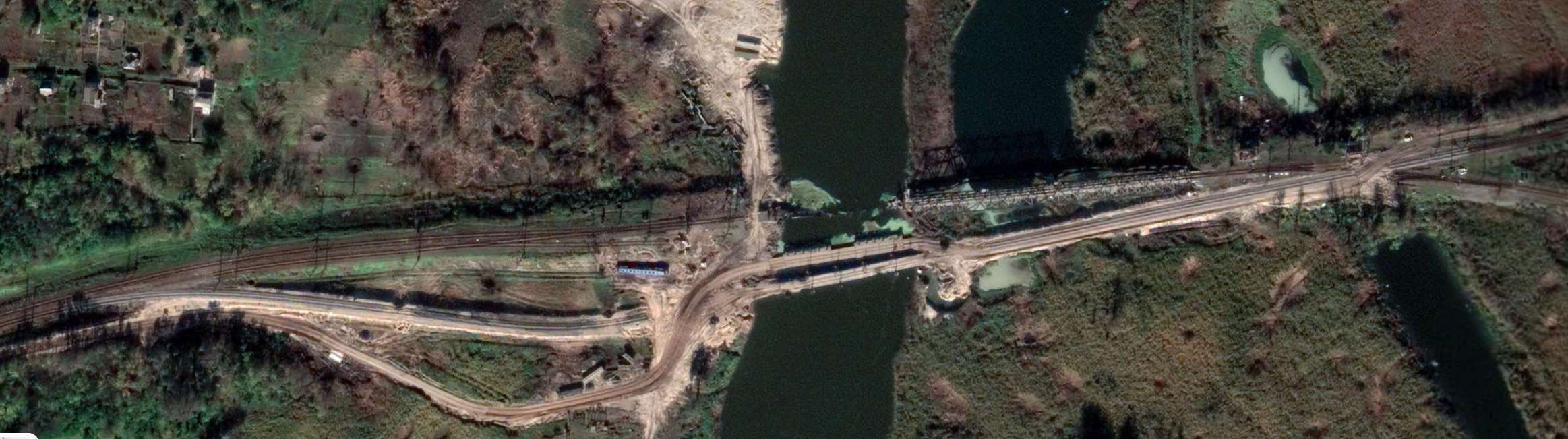
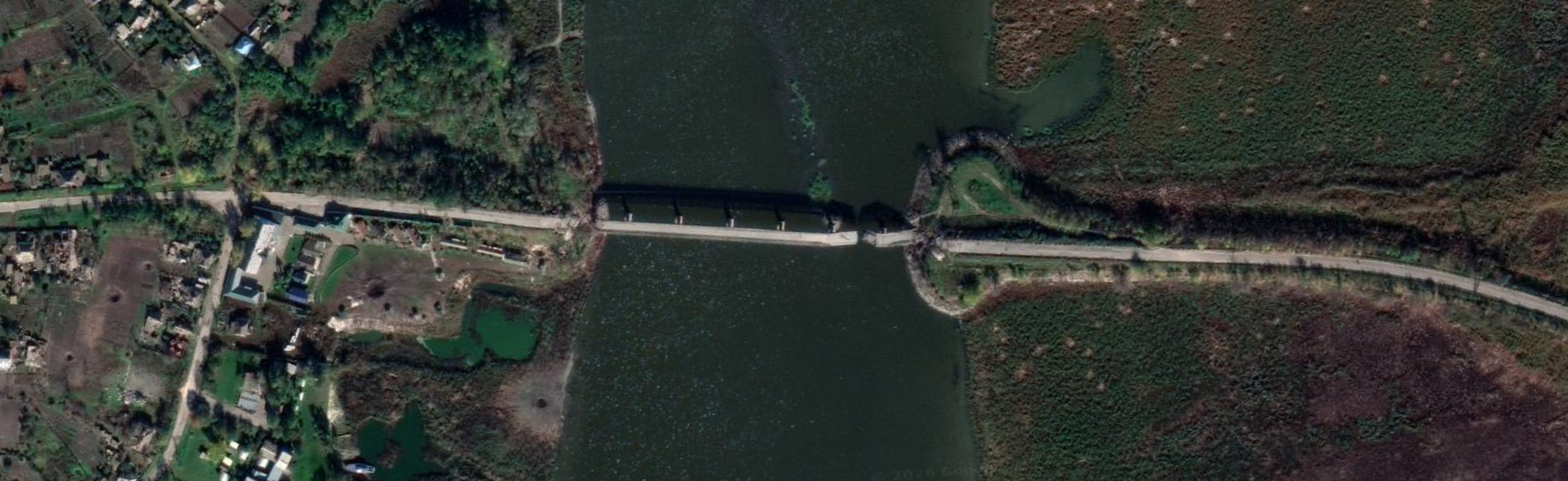
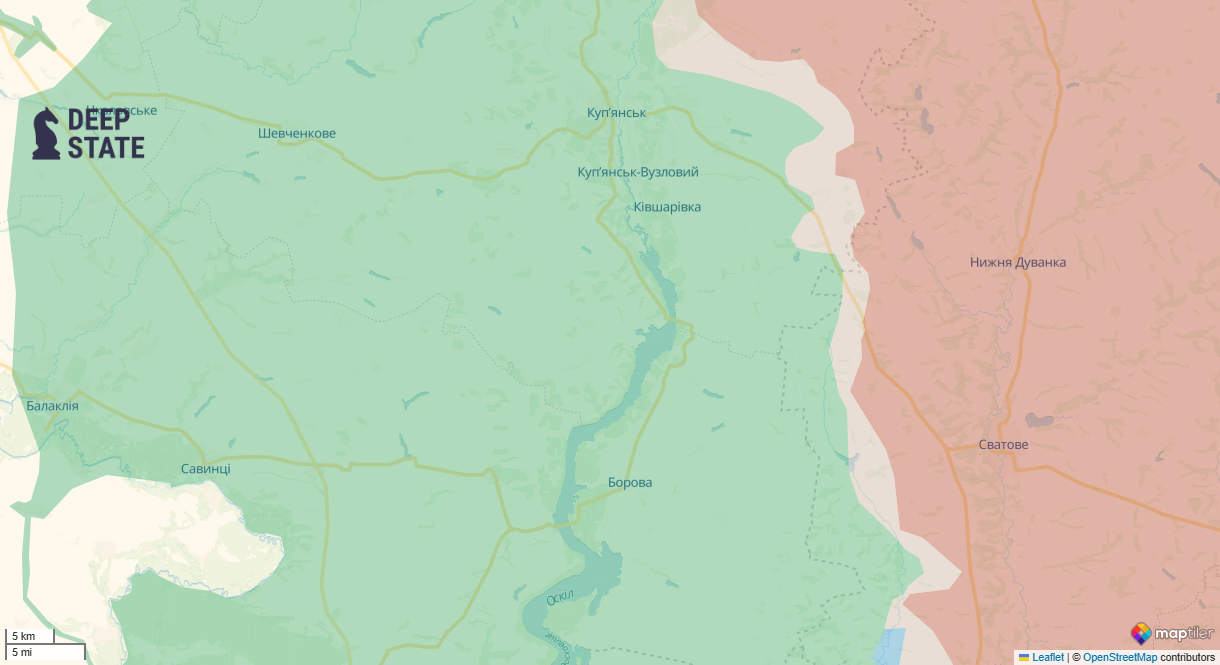
During the second half of 2025 and the spring of 2026, Russian troops significantly intensified their pressure on the section of the Kharkiv region situated on the left bank of the Oskil River. The enemy is attacking in several directions simultaneously; however, perhaps most critically, they are systematically destroying all logistics infrastructure. The bridges spanning the Oskil were destroyed back during the Russian retreat in the autumn of 2022; subsequently, Ukraine’s Defense Forces constructed numerous alternative crossings, which the enemy also systematically targeted and destroyed.
Subsequently, due to advancements in drone technology and the enemy’s ability to maintain effective fire control, constructing large-scale crossings involving dozens of personnel and heavy machinery became practically impossible. By the spring of 2026, a significant number of Ukrainian military personnel were forced to cross the river—moving from the “mainland” on the right bank into the combat zone on the left—by wading or even by swimming.
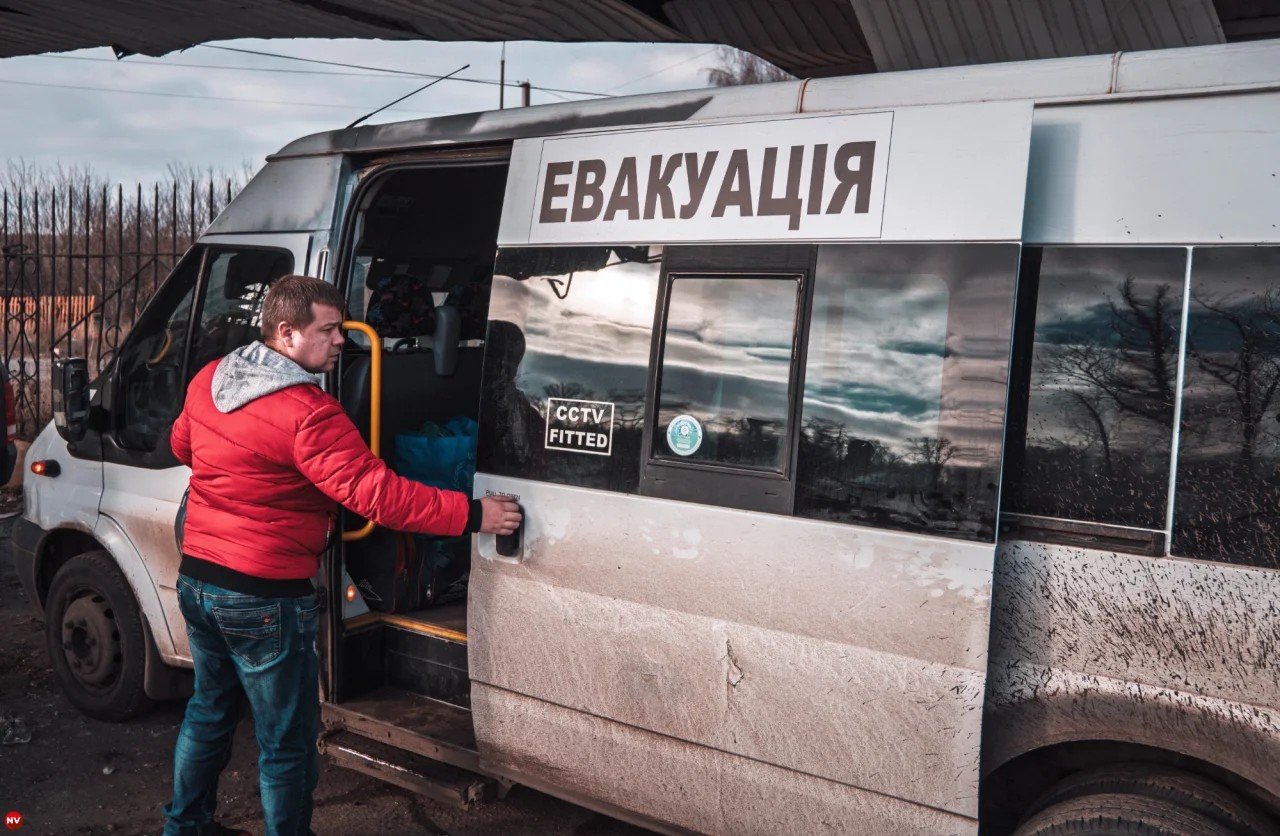
Meanwhile, alongside the Ukrainian defenders, a considerable number of civilians remain on the left bank. Residents still inhabit settlements such as Borova, Kivsharivka, and Kupiansk-Vuzlovyi. These towns are subjected to powerful, daily shelling, and organized evacuations have become nearly impossible—both due to the necessity of crossing the river and because Russian drones frequently target even designated evacuation vehicles. Journalist Serhii Okunev, who has repeatedly worked on the left bank of the Oskil River and participated in evacuation missions, analyzes the current situation in the sector and describes the extremely arduous conditions involved in rescuing civilians in 2026.
Destruction Born of Despair: How Russians Are Botching One Offensive After Another in the Direction of the Settlement of Borova
Before the full-scale invasion, residents of Borova would ironically refer to their hometown as a “resort town.” From the center of Borova, one could take a quick walk down to the riverbank, where cafes and favorite fishing spots were located. In the initial weeks of the full-scale invasion, Borova fell under occupation—a state of affairs that persisted until October 3. At that time, Ukraine’s Defense Forces liberated not only the settlement itself but also a large section of the Oskil’s left bank. According to various estimates, approximately 2,000 residents—out of a pre-war population of 5,000 to 6,000—remained under occupation.
Subsequently, after the Russian occupiers carried out a mobilization and regrouped their forces, the situation on the left bank began to deteriorate—slowly, yet steadily. In the spring of 2024, intelligence emerged of the enemy’s plan to launch a rapid, powerful offensive aimed at seizing Borova itself and a large surrounding territory. At that juncture, the 3rd Separate Assault Brigade of the Armed Forces of Ukraine—one of the most combat-capable units in the Ukrainian army—was deployed to this sector.
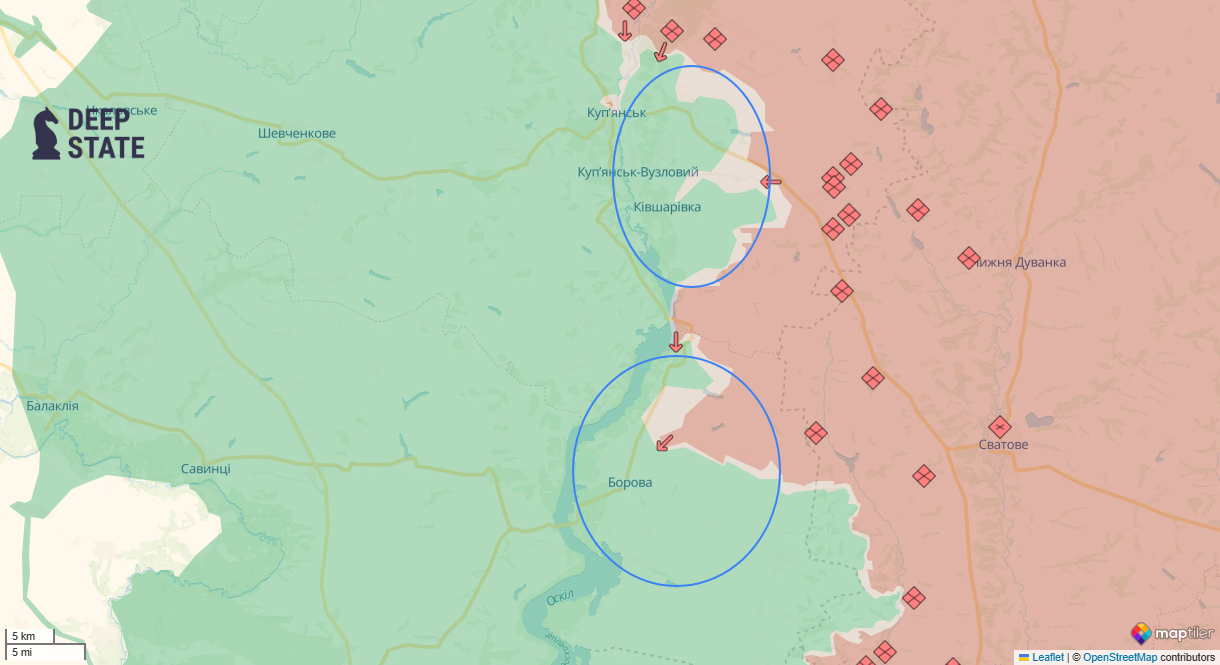
From the summer of 2024 through the spring of 2026, the Russians launched assaults toward Borova in a series of massive waves. The “rapid and powerful” offensive envisioned in 2024 turned into a fiasco and a crushing defeat for the occupiers; nevertheless, the Russians did not abandon their objective of capturing the settlement, repeating such attempts almost quarterly over the course of a year and a half. Although they have so far failed to occupy Borova—and fighting is not even taking place within the settlement itself—the occupiers have nevertheless managed, if not to capture Borova, then to destroy it.
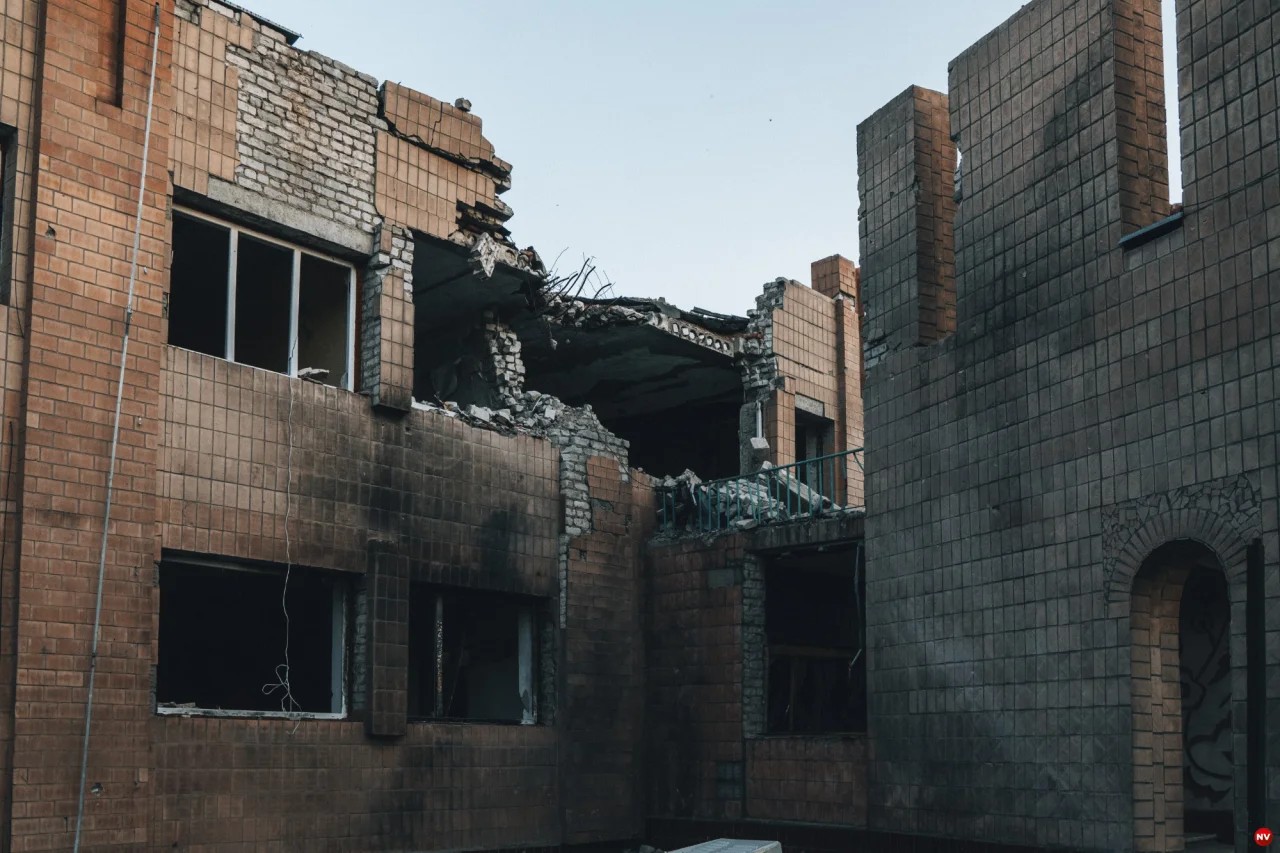
As of March 2026, only about 206 people remain in Borova out of its original population of several thousand, reported Olena Klymenko, Deputy Head of the Borova Settlement Council, in a comment to *Gwara Media*. Evacuation from Borova is extremely difficult. Civilian evacuation groups, which previously operated actively in this sector of the front, are now effectively unable to reach the left bank.
The primary problem is the destruction of river crossings. Although Borova is situated right on the banks of the Oskil River, crossing to the other side—to the “mainland”—is now possible only by swimming or by boat. Russian drones monitor a front-line zone extending up to 20 kilometers, while the distance from Borova to the nearest Russian positions is a mere 5 kilometers. Any boat on the river serves as a red flag for Russian UAV operators.
Military personnel interviewed in this sector of the front report isolated instances of people drowning while attempting to escape from the left bank across the Oskil River to safety on the “mainland.” However, official authorities have not reported these incidents; if they did occur, they involved only a handful of individuals. Nevertheless, evacuating from Borova remains extremely difficult at this time and may become impossible in the future.
An Attempt at Revenge: How, After Their Humiliation in Kupyansk, the Russians Are Trying to Break Through Nearby
In the winter of 2025-2026, the Defense Forces regained control of the strategically vital city of Kupiansk. This occurred just a few weeks later, following the Russian dictator’s official statement claiming full control over the city. Later—even as Ukrainian forces were already publishing photographs and raising flags over various districts of the liberated Kupiansk—Russian propagandists and high-ranking officials continued to assert that they maintained full control.
Following the loss of Kupiansk, having suffered critical casualties and with their own forces partially encircled, the Russians decided to attempt a counterstrike by intensifying pressure on the sector southwest of Kupiansk, on the left bank of the Oskil River. This sector encompasses several major settlements, most notably Kupiansk-Uzlovyi, Kivsharivka, and Podoly.
In late January 2026—amidst the humiliation surrounding the loss of Kupiansk—the Chief of the Russian General Staff, Gerasimov, unexpectedly announced the capture of Kupiansk-Uzlovyi. Even Russian propaganda, accustomed as it is to falsehoods, publicly expressed astonishment at such a claim; virtually every OSINT project had tracked Russian troops as being located a full 10 kilometers from the city—a position they had held for many months without making any forward progress. On the very days when the Russian war criminal announced the capture of Kupiansk-Uzlovyi, Ukrainian soldiers were filming ironic videos from the center of the settlement. In this area, no combat operations were even taking place.
Despite these mendacious claims, the increased military pressure was very real. In March, Russian assault groups attempted to advance toward Kivsharivka—once the largest urban-type settlement in Ukraine, with a population of approximately 17,000 residents.
The situation unfolding in this sector of the left bank mirrors that of Borova. The Russians have destroyed all key river crossings over the Oskil. On the left bank—in Kivsharivka, Kupiansk-Uzlovyi, and other settlements—hundreds of civilians remain stranded; for them, the only path to safety on the “mainland” now entails wading or swimming across the river. All of this is also accompanied by intensified shelling and drone hunts, where the drones do not discriminate in their targeting, but instead attack anyone at the first opportunity.
What Rescuing Civilians from the Left Bank Looks Like Today
In late February 2026, soldiers of the 33rd Separate Mechanized Brigade released a video documenting an entire special operation to rescue a civilian family from an area situated on the left bank of the Oskil River.
“We established that there were civilians located there—including minors and wounded individuals—who needed our assistance, and we organized their evacuation. Among those evacuated was a mother born in 1992 who had sustained a spinal fracture resulting in spinal cord injury. The evacuation was challenging, as she required transport in a prone position. The woman also suffered significant facial burns and partial vision loss. The youngest child is 7 years old; he suffered the most from psychological trauma and a mild concussion,” the brigade reported to the publication *Army Inform*.
During the evacuation to the right bank of the Oskil River—into a secure zone—five local civilians were successfully transported to safety: two adult women and their three children. Armored vehicles and boats were deployed to carry out the rescue. The operation had to be conducted at night and under the constant threat of enemy drone attacks. In 2026, rescuing even five people from the left bank requires meticulous planning and the commitment of significant resources—an undertaking that more closely resembles a full-scale special operation.
It later came to light that the rescued family had been officially sought after for nearly a year.