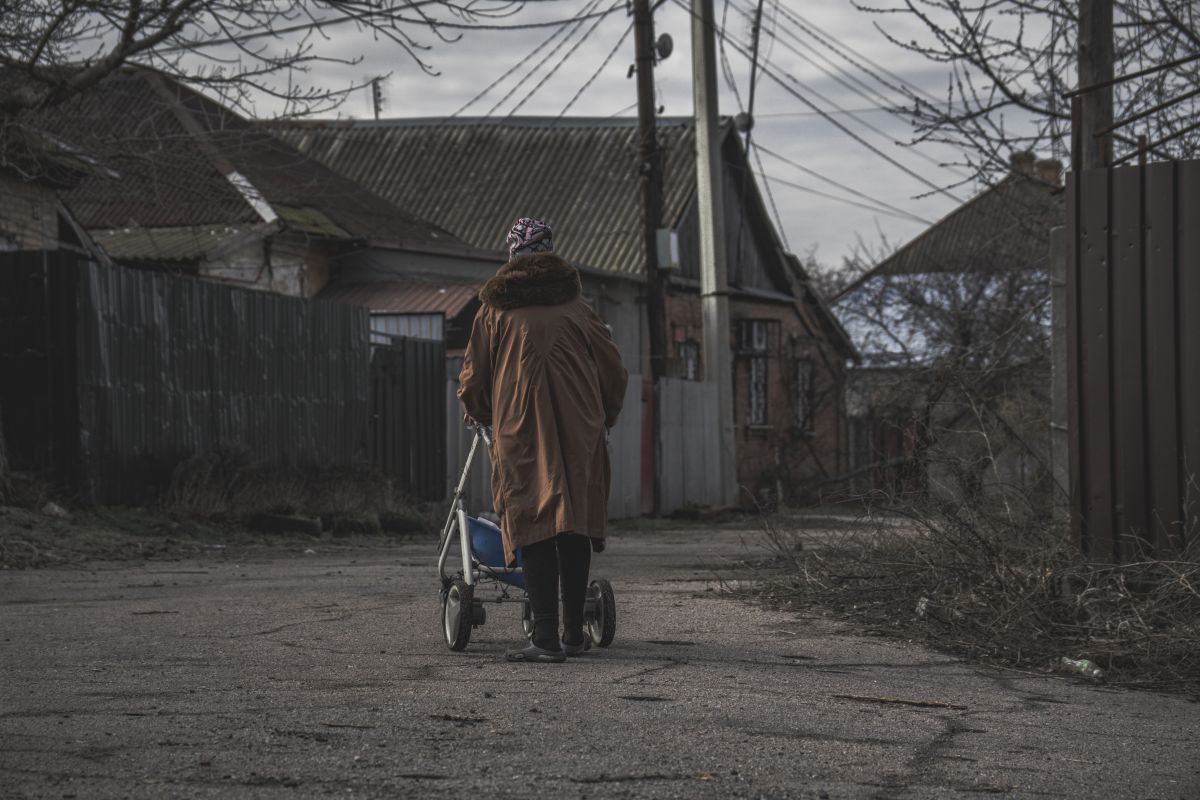
A “Training Ground” for Crimes
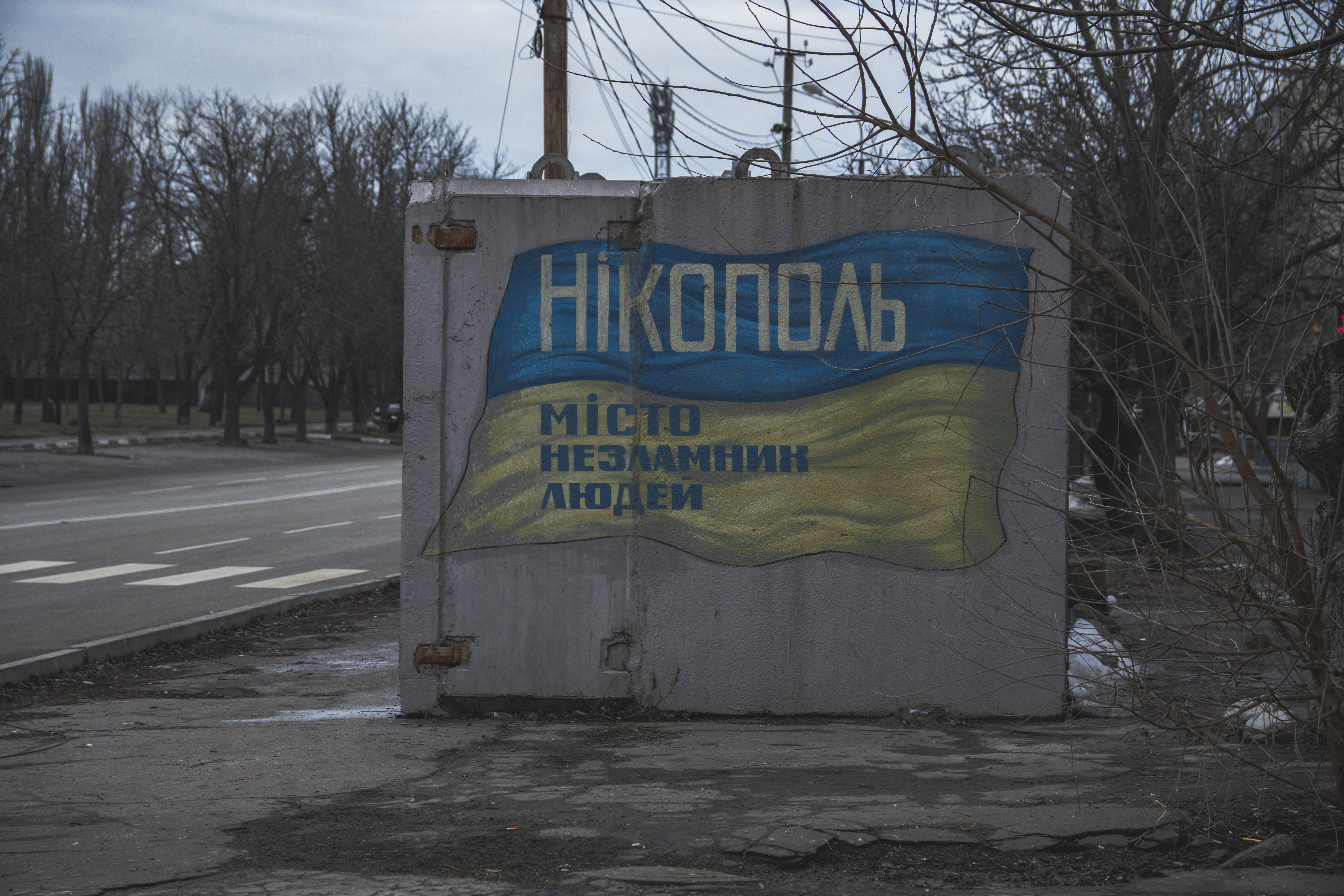
Before the full-scale invasion, Nikopol had a population of over 100,000. The coastal area on the Dnieper River was a resort destination, and the Zaporizhzhia Nuclear Power Plant was a half-hour drive away, even by public transportation. Today, Nikopol finds itself directly on the front line; the frontline here runs along the river, and enemy positions on the left bank of the Dnieper are just 3-5 kilometers from the city.
In 2025-2026, the term “Killzone” became familiar not only to the military. Due to the growth of attack and reconnaissance UAVs and their decreasing cost, the area within 20 kilometers of the front line has become a highly dangerous zone, where enemy FPVs attack almost everything within their range.
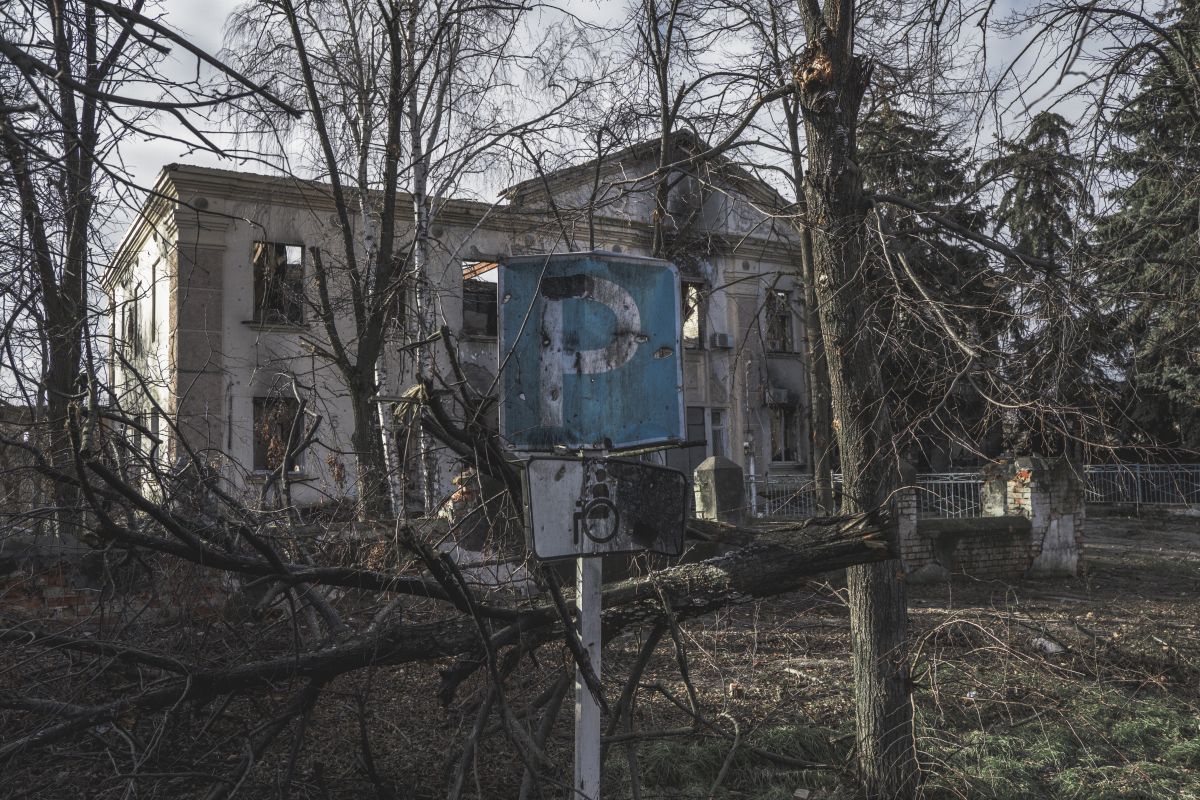
The entire territory of Nikopol, a large city with multi-story residential areas, is now within range of not only Russian FPV drones but also artillery. Mortars can even shell coastal areas. Daily reports from local authorities record dozens, often over a hundred, attacks per day.
What’s particularly cynical is that the Russian occupiers are using Nikopol as a training ground for UAV pilots. Journalistic investigations and Ukrainian intelligence reports claim that training centers are located even on the grounds of the Zaporizhzhia Nuclear Power Plant. The occupiers are effectively using the high-risk facility as a shield for their pilots, knowing that the Ukrainian Defense Forces are unable to launch massive strikes on the station’s territory.
The average observer might find it surprising that the Russians don’t even hide their own crimes. For example, on February 15, Dmitry Rogozin, a Russian neo-Nazi, former director of Roscosmos, and head of the Tsar’s Wolves military group, published a video on his Telegram channel showing a Russian drone striking Nikopol. Rogozin bluntly states that this is a “test” for one of the occupiers’ drone training centers. The video shows a strike on a civilian building with no signs of military presence, yet Rogozin claims that “the test has been passed."
Several other Telegram channels linked to Russian propaganda or military units also published footage of attacks on Nikopol, calling the city a “training ground."
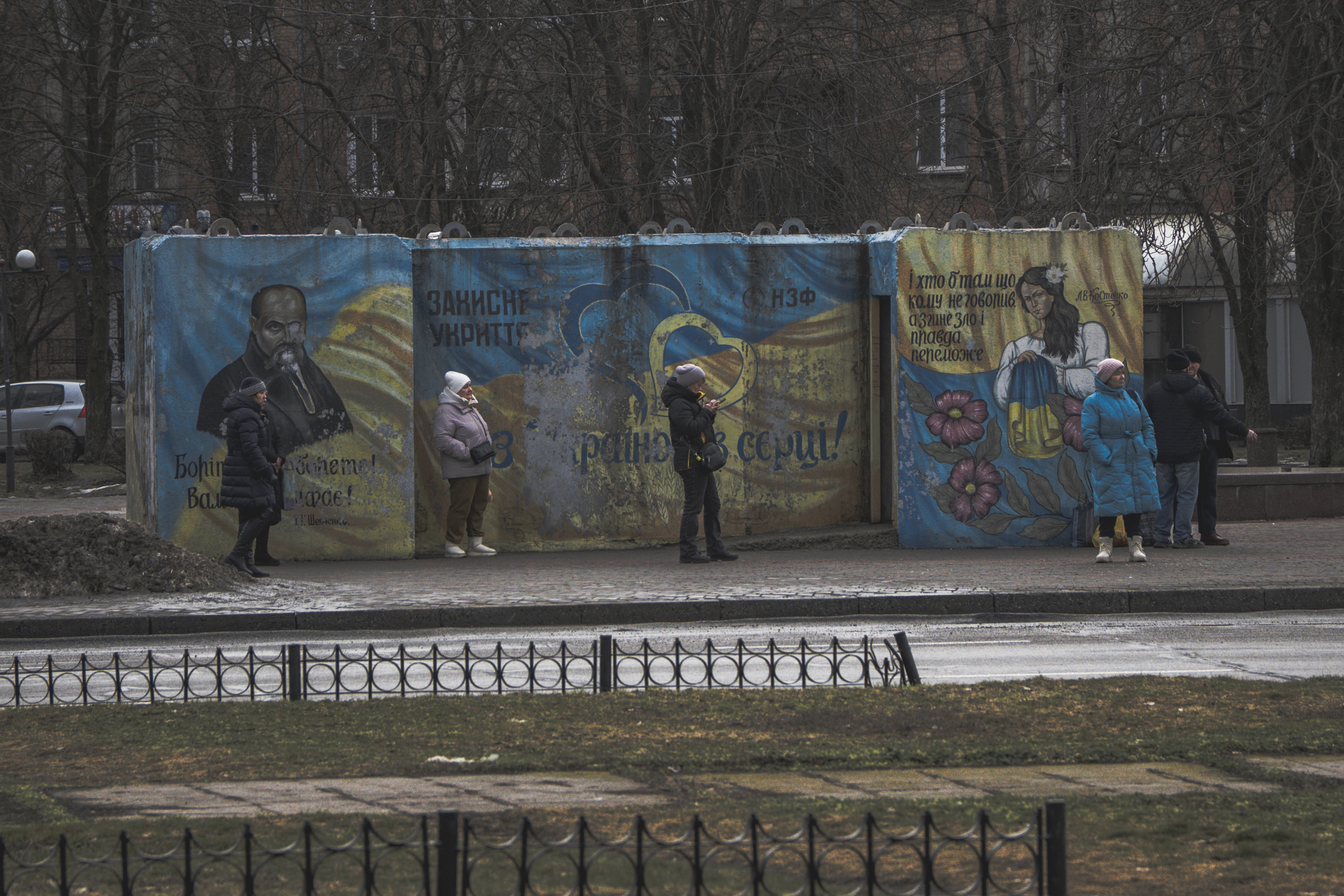
Despite daily drone attacks, artillery shelling, and even guided bombs, the central part of Nikopol continues to thrive. Public transportation is operational, cafes and restaurants are open, and people can be seen in queues on the central streets, despite the “threat of artillery shelling” blaring from loudspeakers nearby. It’s clear that over the past four years, people have become accustomed to life even under these conditions.
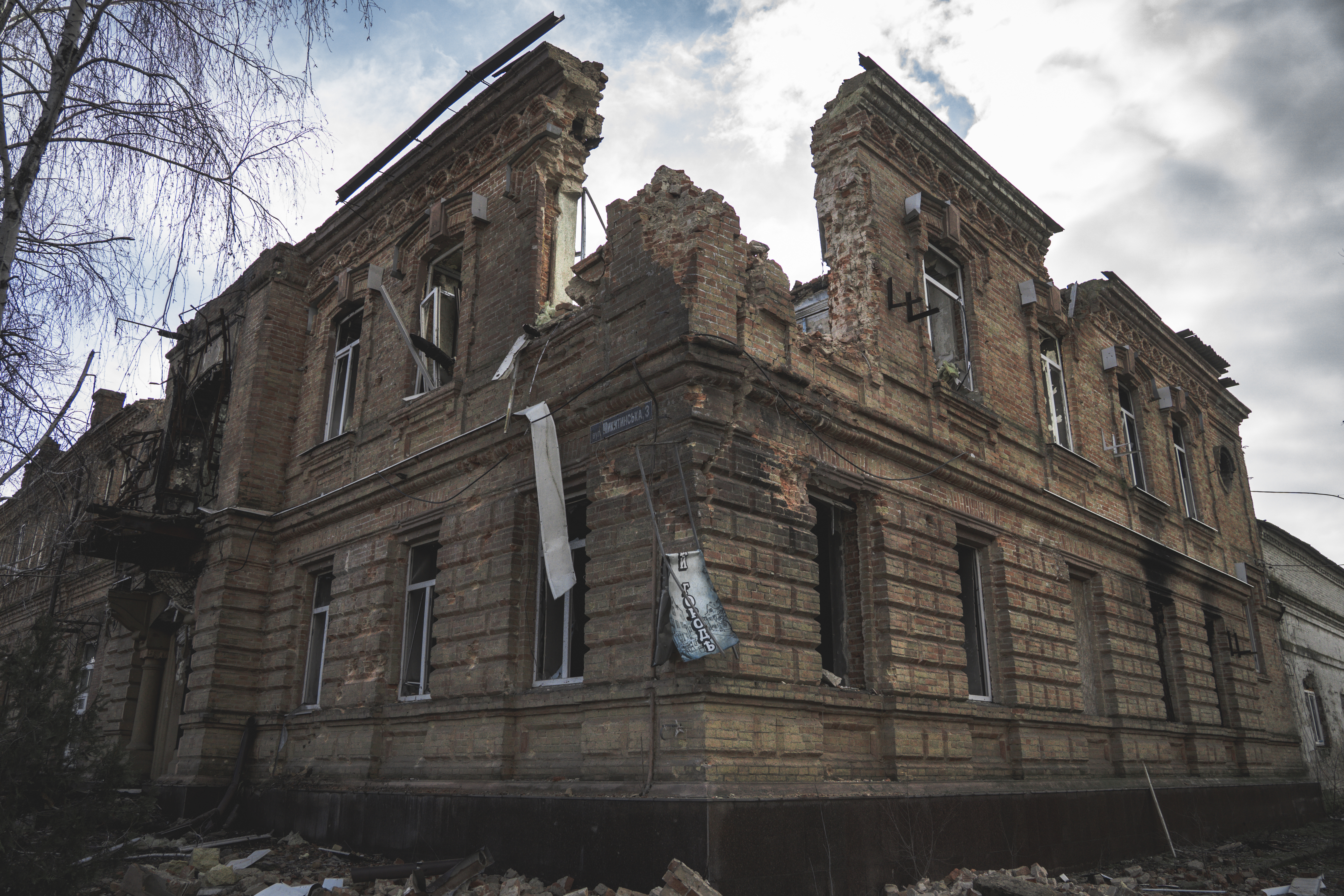
The picture is completely different in the areas located closer to the riverbank, or, accordingly, on the opposite bank, occupied by the Russians. These areas are difficult to access not only by transport but even on foot. Historic buildings and private homes that once bordered the beautiful beaches are now 70-80% destroyed, according to observations. These coastal areas of the city are the most dangerous. During active attacks, which usually occur in fine, sunny weather, even emergency services cannot access these areas.
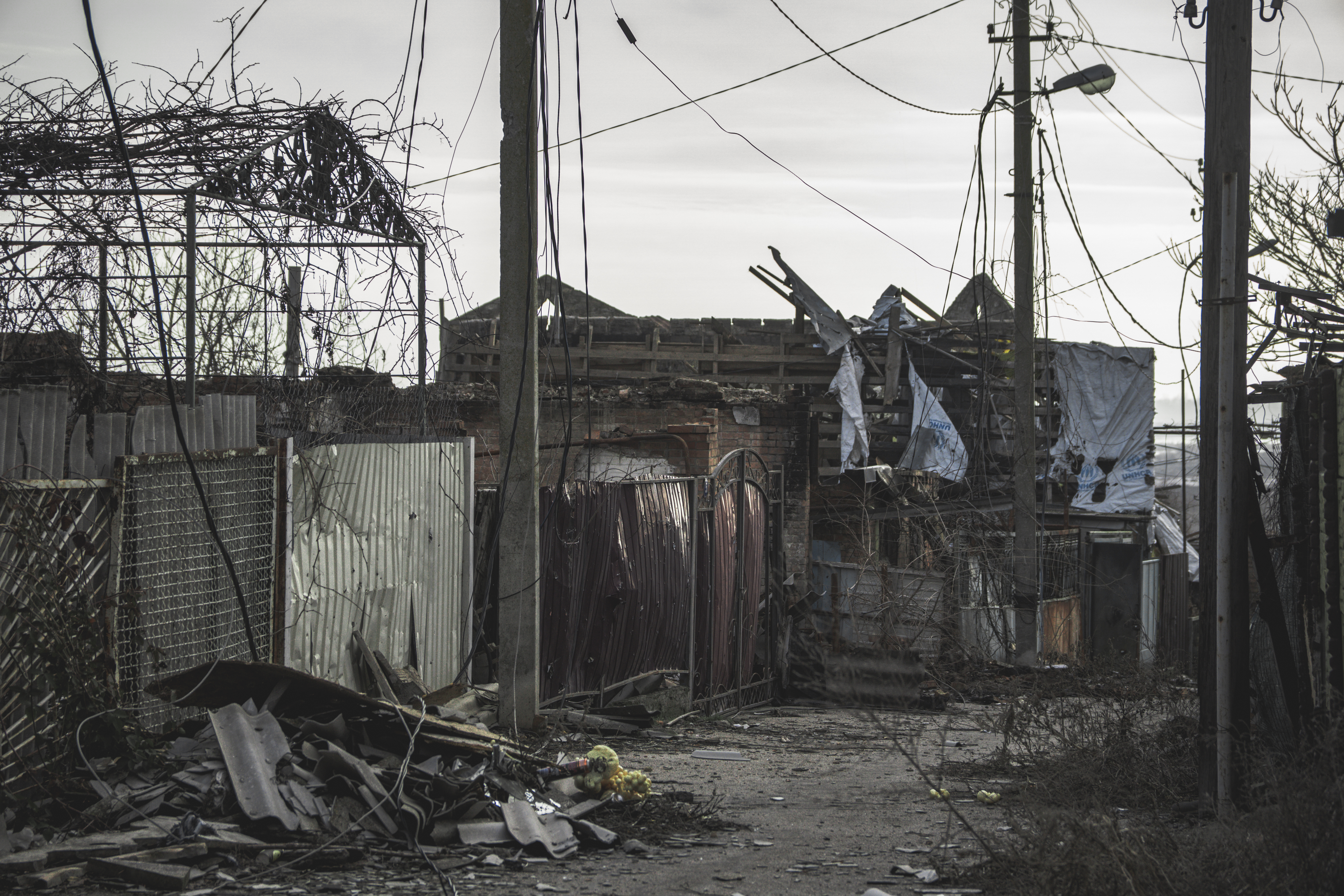
Due to their proximity to enemy positions, Russian drones arrive in these areas quickly, making it nearly impossible to detect or respond in time. The situation with artillery shelling is even worse. While one can usually hear the characteristic sound of a gunshot, what the military calls “exit,” followed by a few seconds to several minutes before the shell hits, depending on the distance of the weapon from the firing point, in the case of Nikopol’s coastal areas, the sound of the “exit” and the shell’s arrival can occur simultaneously or with a delay of 1-3 seconds. This makes it almost impossible to react to danger or find shelter.
Many people still live in these conditions in one of Ukraine’s most dangerous areas. Authorities are urging them to evacuate to safer parts of the city. However, people claim that the current evacuation conditions and the authorities’ social support are inadequate, which keeps them in danger. “White Angels” police units are conducting entire special operations to reach those who have decided to evacuate. Russian drones are striking any targets, including evacuation vehicles. Rescuing people from these areas is becoming increasingly dangerous.
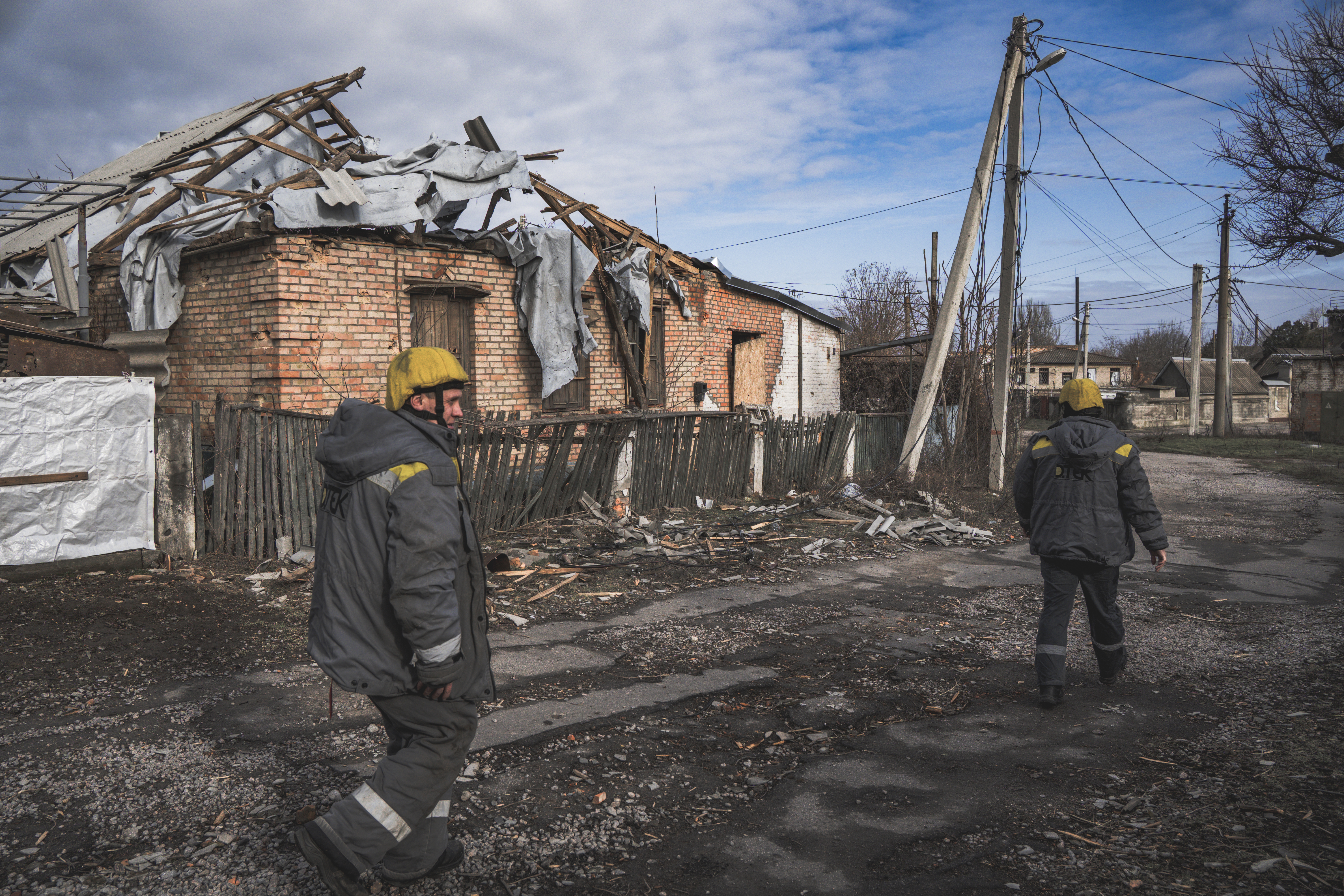
Besides the obvious threats—shellings and drone strikes — the coastal region also faces serious problems with utility services. The enemy regularly targets transformers and distribution substations. Some homes may be without power for 10 to 20 days. This is also due to the enemy’s targeting of energy repair crews. Civilian workers repairing electricity, gas, and other utilities are also a priority target.
In the winter of 2025-2026 alone, the enemy repeatedly attacked DTEK crews, particularly their vehicles, with drones. Entering the coastal region for repair work without encountering an enemy drone is nearly impossible. Equipment and personnel of the State Emergency Service, ambulances, and other services are also targeted.
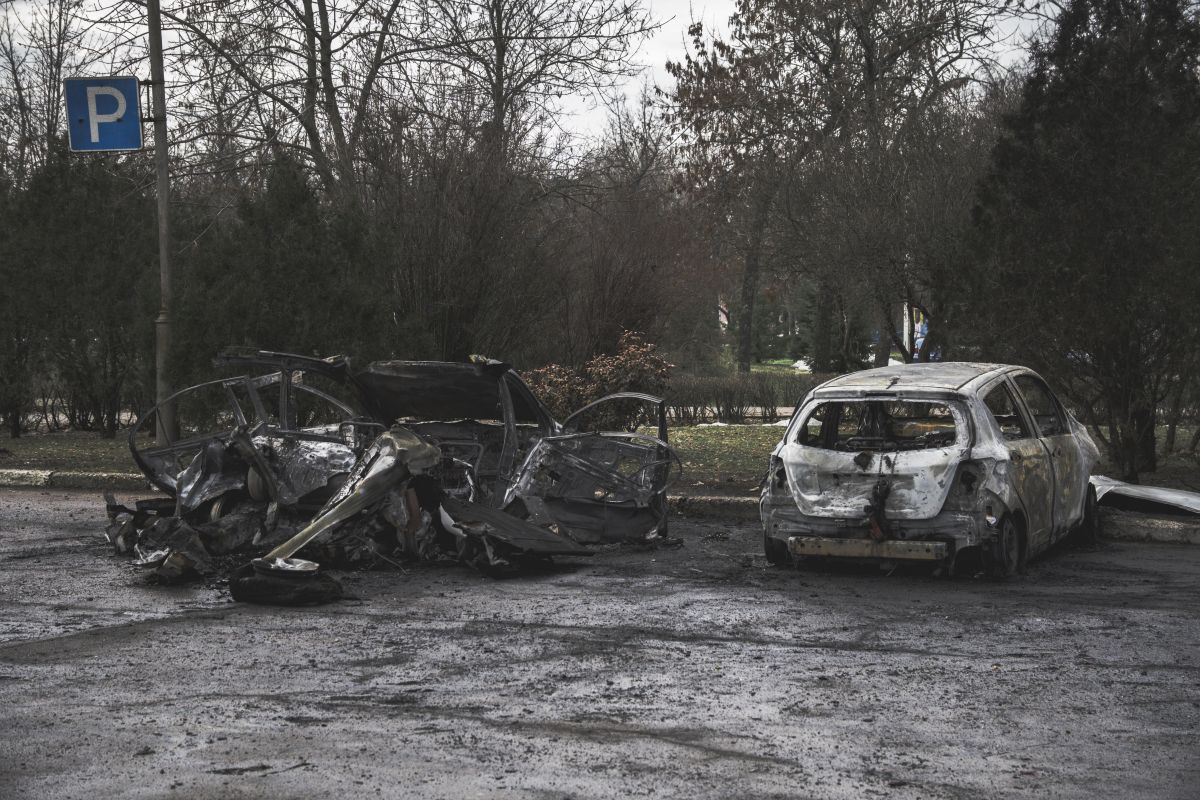
Unfortunately, Nikopol is just the latest example of Russia’s criminal “safari” tactic. Many are familiar with this tactic due to Russian attacks on Kherson. The situation in this city is similar: the front is divided by the Dnieper River, enemy positions are very close, and the occupying forces’ drones and artillery are attacking anyone throughout the city.
"Safari” is a clear example of a war crime. Furthermore, this isn’t just a strike on a civilian target or resident of Kherson and Nikopol; it’s the Russian army developing an entire tactic, infrastructure, and strategy for terrorizing civilians and turning peaceful cities into “ghost towns.” At the same time, it’s important to clarify that active hostilities have ceased in either Kherson or Nikopol since 2023, Ukrainian troops are not advancing, and the front line remains stable. The occupation forces’ terror is directed exclusively against residents.