How Russian Forces Are Attacking Hotels Across Ukraine
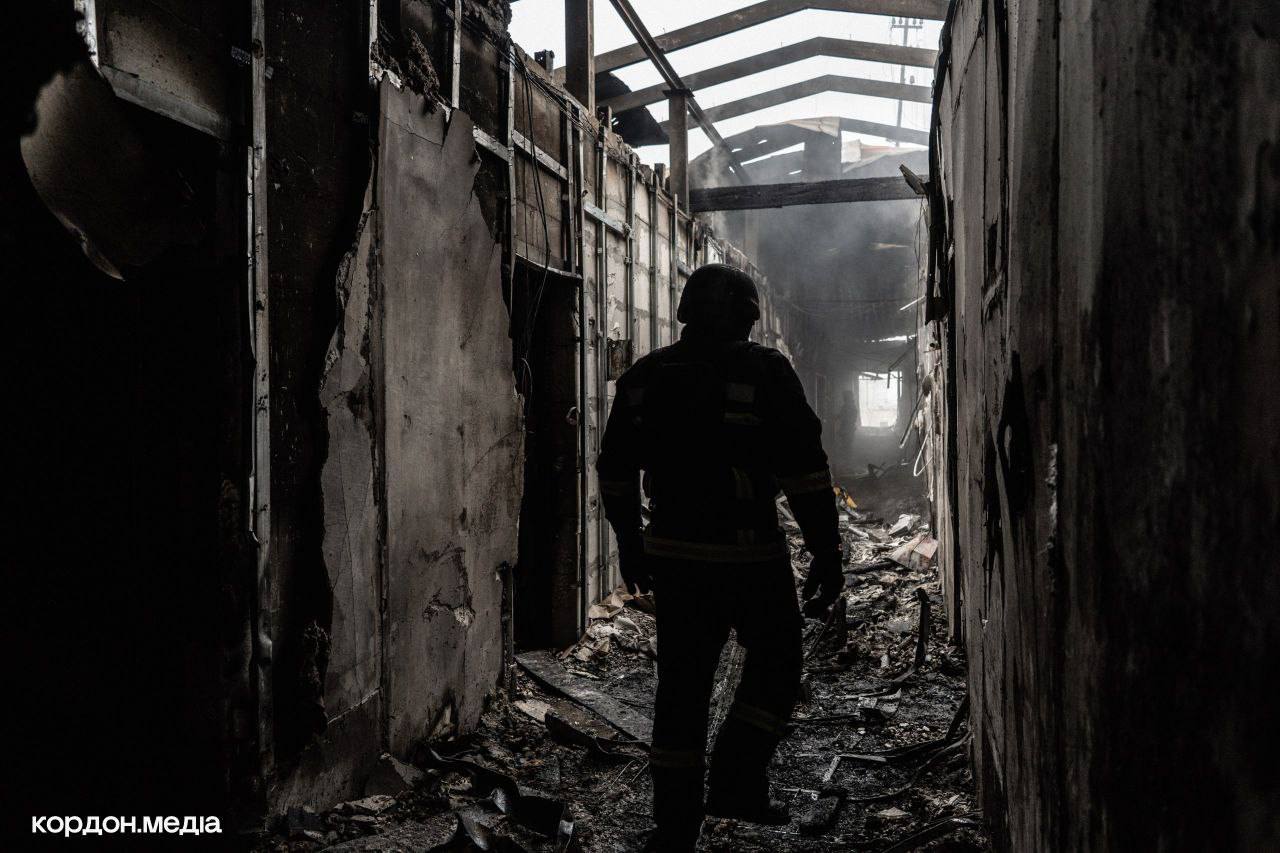
On the morning of February 27, Russian UAVs struck a hotel in the center of Sumy twice. Nearly half of the building was gutted by fire; photographs of the aftermath suggest the use of drones carrying incendiary payloads—weapons specifically designed to ignite massive fires that cause destruction even more effectively than conventional explosives. The attack on the hotel in Sumy is just one more example of this pattern.
Russian propaganda routinely claims that these hotels are being used as bases for Ukrainian troops and that such strikes pose no threat to civilians. This assertion has been refuted on numerous occasions. For instance, in the case of the attack on Sumy, just days before the strike on the downtown hotel, the author of this article—journalist and human rights defender Serhii Okunev—visited the premises. He asserts that the facility was operating as a standard hotel: rooms were available for booking both in person and online; ordinary cafes and restaurants with unrestricted public access were open on the ground floor; and there were absolutely no soldiers or military infrastructure present within the building.
As of May 2025, the Russian military had launched 31 strikes against 25 hotels across Ukraine. These figures were published jointly by the international organization Reporters Without Borders (RSF) and the Ukrainian human rights organization Truth Hounds (TH).
Strikes against hotels serve not only the objective of “traditional” terror—a hallmark of Russian military tactics—but also pose a critical danger to journalists, human rights defenders, and representatives of humanitarian organizations. Before 2025, these specific groups were the primary users of hotels while on business trips to carry out civilian tasks. It is known that strikes targeting hotels resulted in injuries to at least 25 media professionals, and also claimed the life of Reuters employee Ryan Evans.
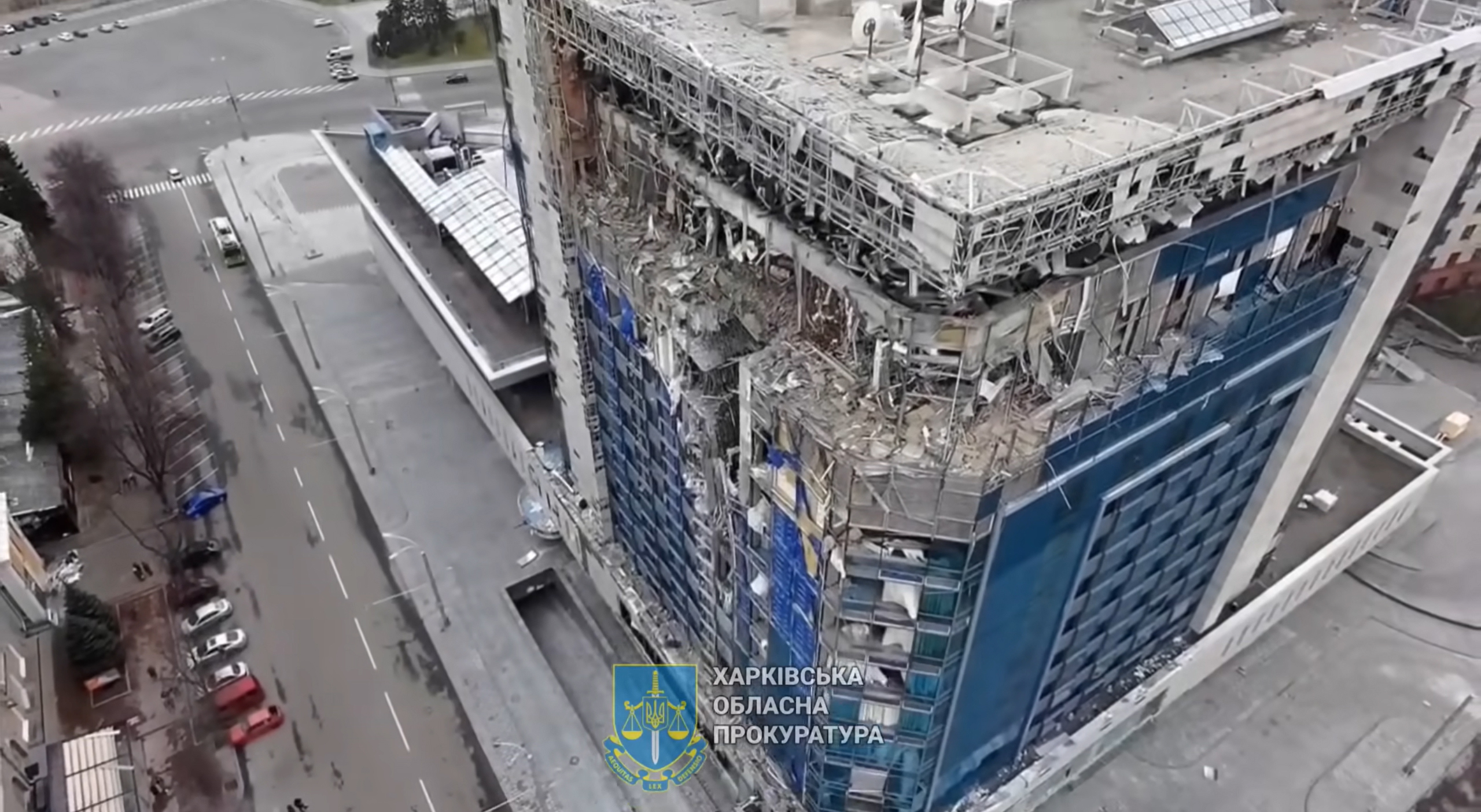
On New Year’s Eve—December 30, 2023—Russian forces launched a ballistic missile strike against the Kharkiv Palace Hotel, injuring foreign journalists. A few days later, on January 10, 2024, the Park Hotel in the Kharkiv region was also shelled.
The Reikartz Hotel—frequently used by UN representatives in Zaporizhzhia—was also hit by a Russian drone strike.
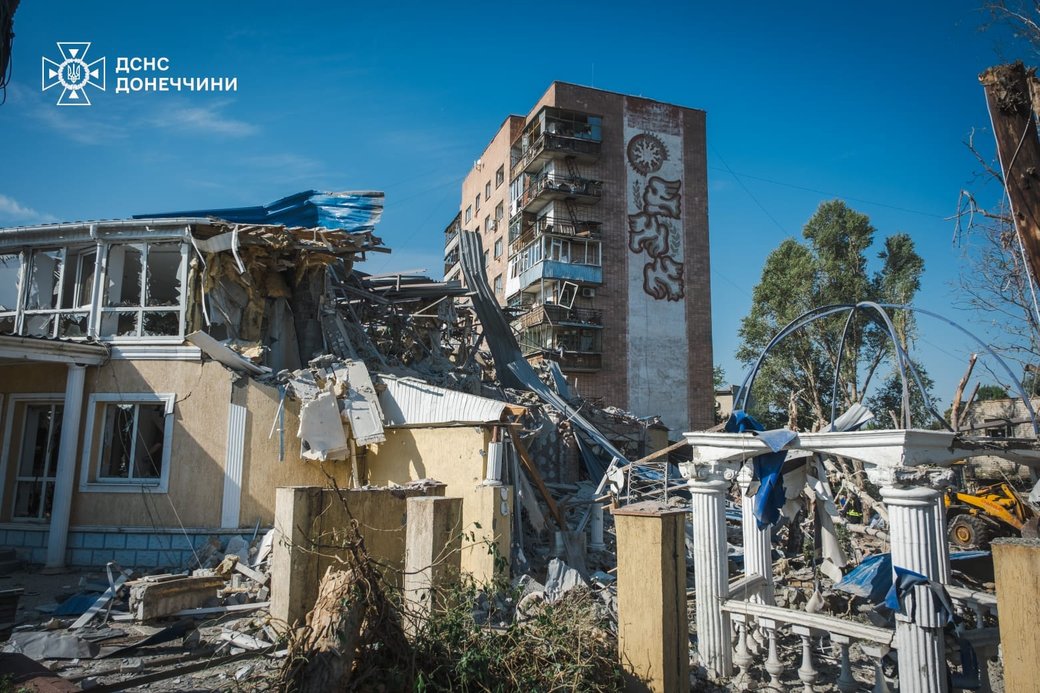
On June 24, 2024, a Russian missile nearly destroyed the Saphir Hotel in Kramatorsk: one person was killed, and eight were injured. Journalists were among the casualties, specifically citizens of Ukraine, Germany, Latvia, the USA, and the UK.
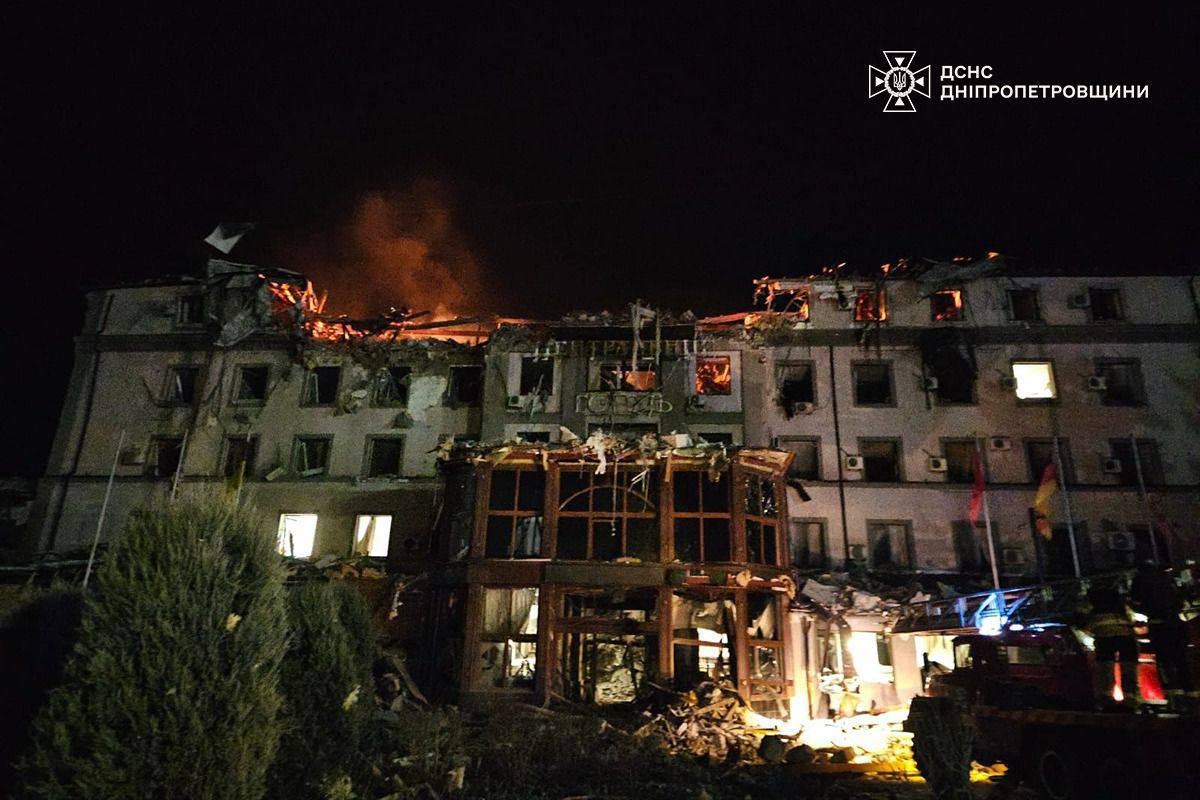
On March 5, 2025, the Tsentralnyi Hotel in Kryvyi Rih was partially destroyed: five people were killed, and 32 were injured. At the time of the attack, representatives of humanitarian missions from Ukraine, the UK, and the USA were present on the premises.
Beginning in 2024-2025, the majority of news organizations—as well as many humanitarian organizations—updated their safety protocols; these rules now prohibit staff members from staying in hotels, particularly in Ukraine’s frontline regions.
According to the norms of International Humanitarian Law (IHL), even if military personnel are present at a specific civilian facility, this does not automatically render that facility a legitimate military objective. IHL establishes the principles of proportionality and protection of the civilian population.
If a hotel complex—which continues to operate as usual and has not been converted into a military base—temporarily accommodates military personnel among hundreds of civilian guests for personal reasons, and if those personnel are not actively engaged in combat operations at that moment, such a facility cannot be considered a legitimate military objective. Any strike against it would clearly be disproportionate and would endanger civilians.
