Humanitarian Aid Warehouses Under Attack
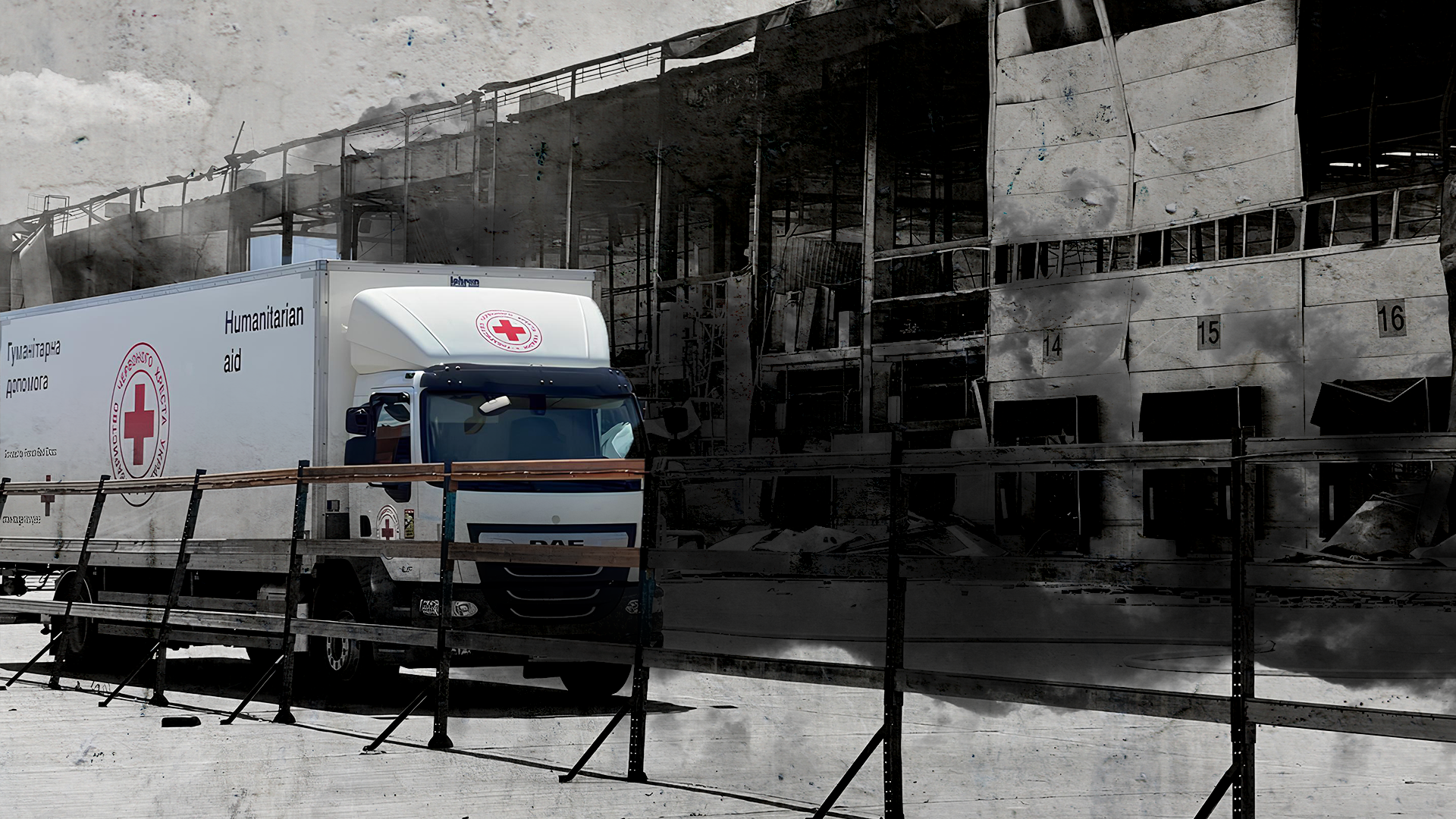
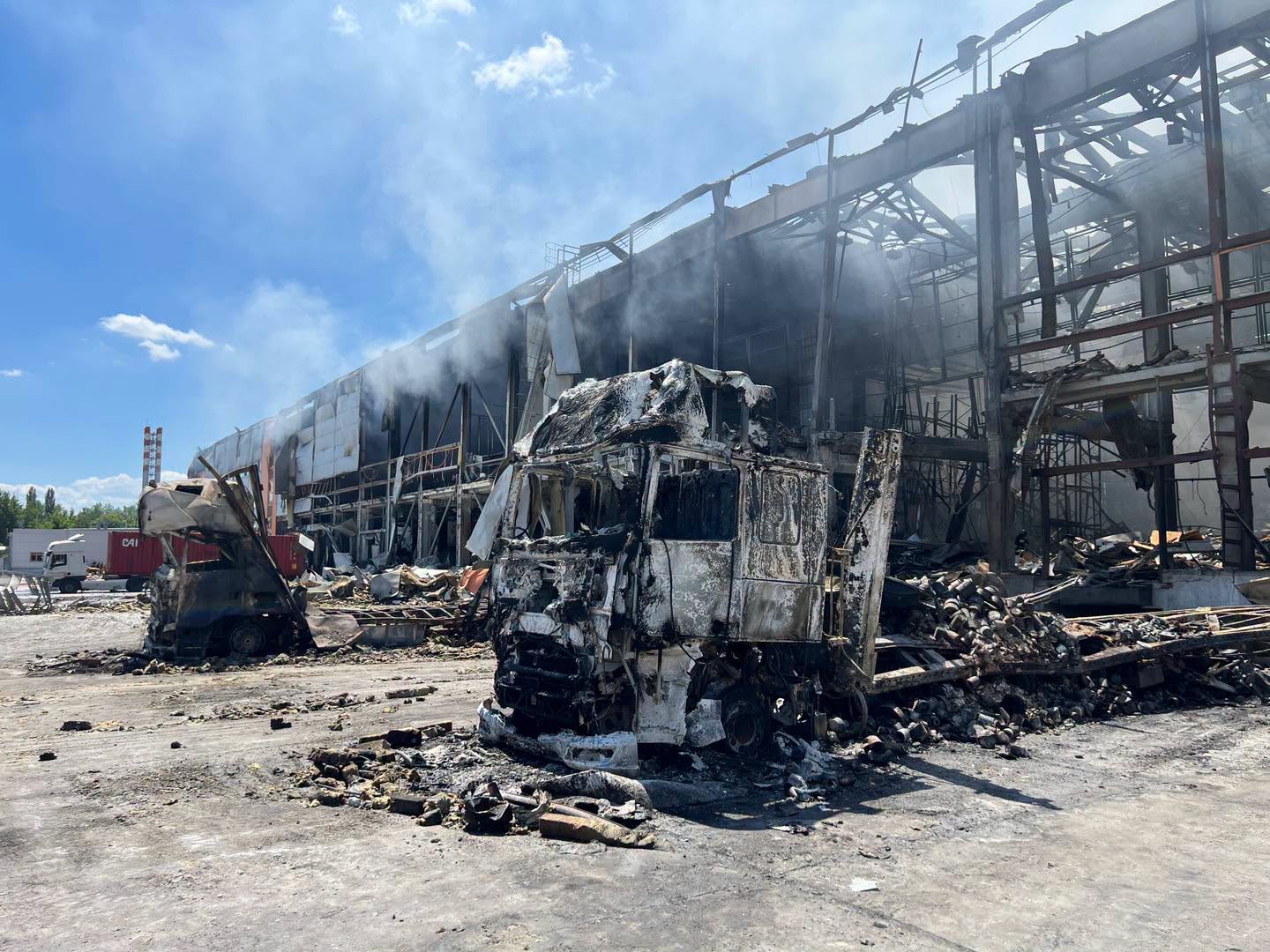
On July 2, a Ukrainian Red Cross warehouse was destroyed during a massive Russian attack on Kyiv. Humanitarian supplies and equipment intended to aid people affected by the war were stored there. According to the organization, 320,000 aid items worth over 79 million hryvnias were destroyed by fire. This is not the first instance of Russian strikes damaging or destroying humanitarian infrastructure in Ukraine. In this article, we recall other notable attacks on warehouses, offices, and facilities belonging to organizations that assist civilians.
What was in the warehouse
At the time of the attack, the rented facility housed humanitarian supplies for emergency aid to people affected by the war. Some of these stocks were used following shelling incidents—when there was an urgent need to board up blown-out windows or provide people with blankets, sleeping kits, hygiene products, and other essentials.
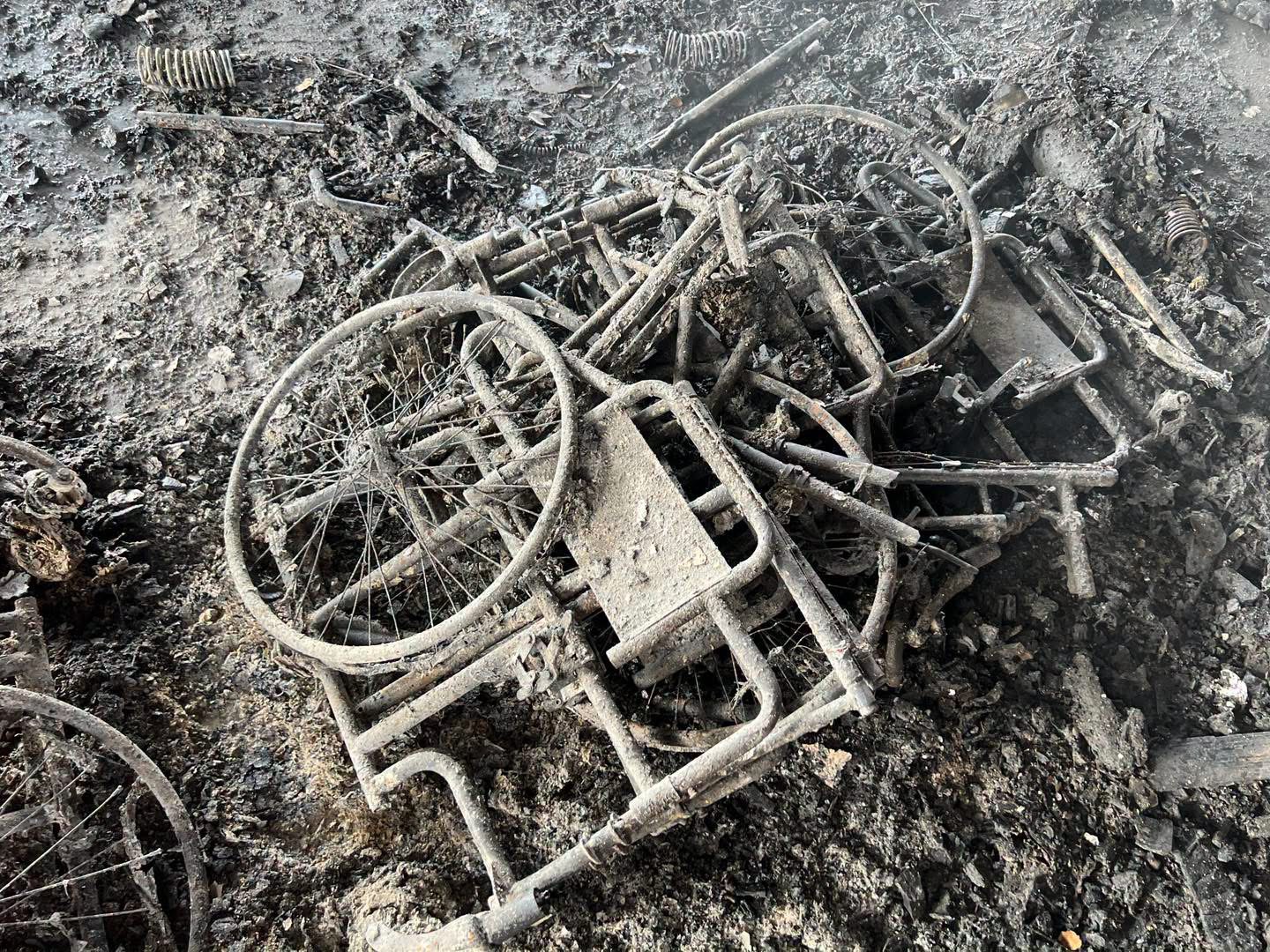
The destroyed items included generators, heat pumps, medical stretchers, defibrillators, ultrasound machines, patient monitors, and other equipment. A significant portion of the supplies had been delivered to Ukraine via the European Civil Protection Mechanism.
The warehouse also held the Ukrainian Red Cross’s strategic reserve. This reserve was utilized during responses to shelling, fires, evacuations, and other emergencies. A truck used for delivering humanitarian aid was also damaged in the strike.
This warehouse was one of the Ukrainian Red Cross’s key logistics hubs. It served as a supply point for humanitarian projects across various regions of Ukraine.
About other instances of the humanitarian infrastructure destruction in Ukraine
On May 8, 2023, the Ukrainian Red Cross reported damage to its humanitarian facilities in Odesa and the Mykolaiv region. In Odesa, a 1,000-square-meter warehouse was destroyed by a missile strike. A fire broke out following the impact, destroying the humanitarian aid stored inside. Due to the loss of the warehouse, the Odesa regional branch suspended the provision of humanitarian aid and the operation of some of its projects in the region. On the same day, the organization also reported the aftermath of a strike on the Mykolaiv region that had occurred on May 7. A mobile hospital belonging to the Mykolaiv regional branch of the Ukrainian Red Cross Society was damaged there. Some medical equipment, technical gear, and furniture were rendered unusable. No Ukrainian Red Cross staff or volunteers were injured in these attacks. At the same time, the organization noted that 25 of its buildings—offices, warehouses, and bases—have already been damaged or destroyed since the beginning of the full-scale invasion.
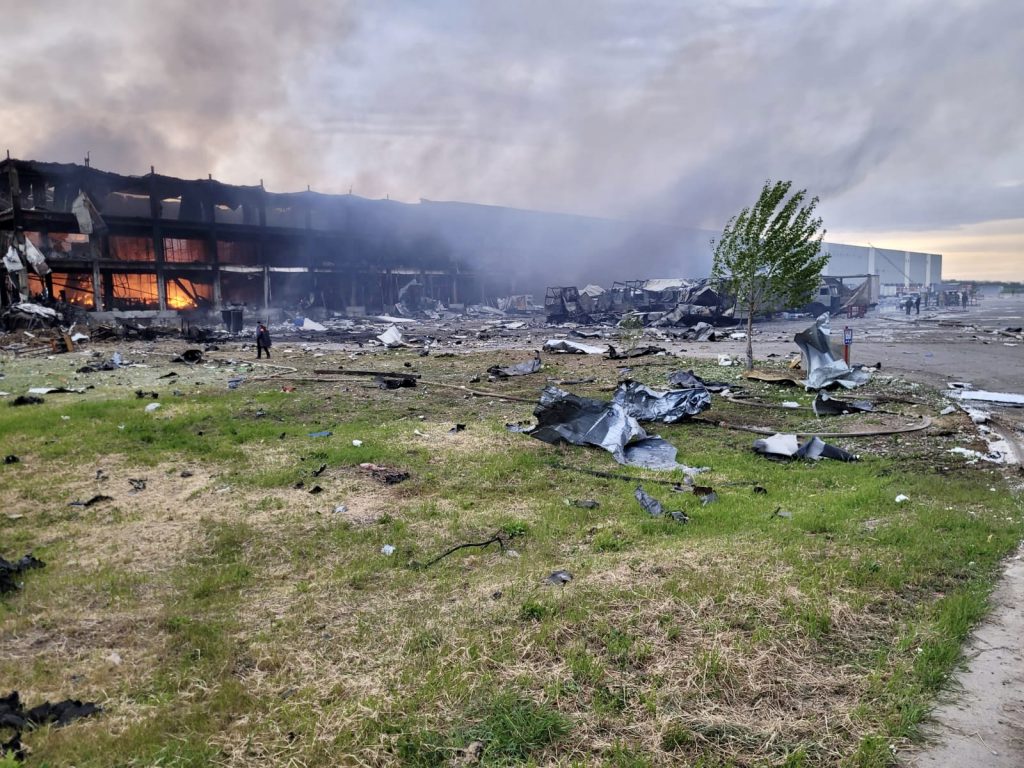
In May 2023, the international organization Project HOPE also reported damage to warehouses containing humanitarian aid. According to the organization, Russian missile attacks in the Odesa and Kherson regions seriously damaged two different warehouses where the organization’s humanitarian supplies were stored. These supplies included generators, medical supplies, and hygiene kits. Project HOPE workers were not injured.
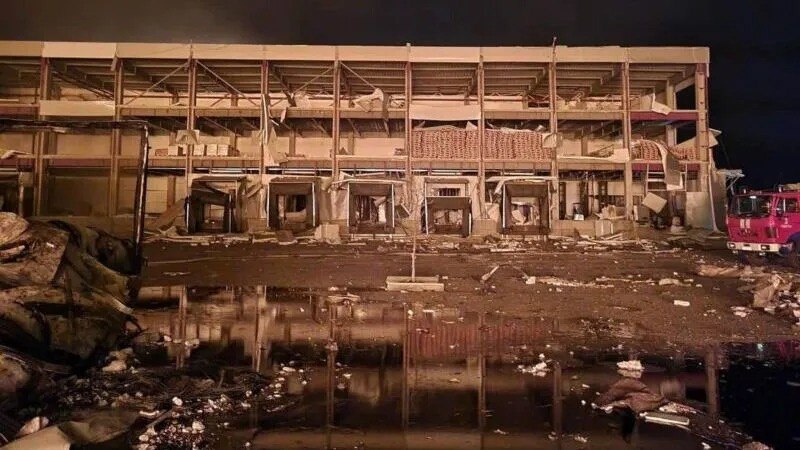
During the Russian attack on the night of July 31, the warehouse of the Lithuanian humanitarian organization Blue/Yellow, which assists Ukraine, was destroyed. According to European Pravda, citing Lithuanian public broadcaster LRT, neighboring buildings also sustained significant damage.
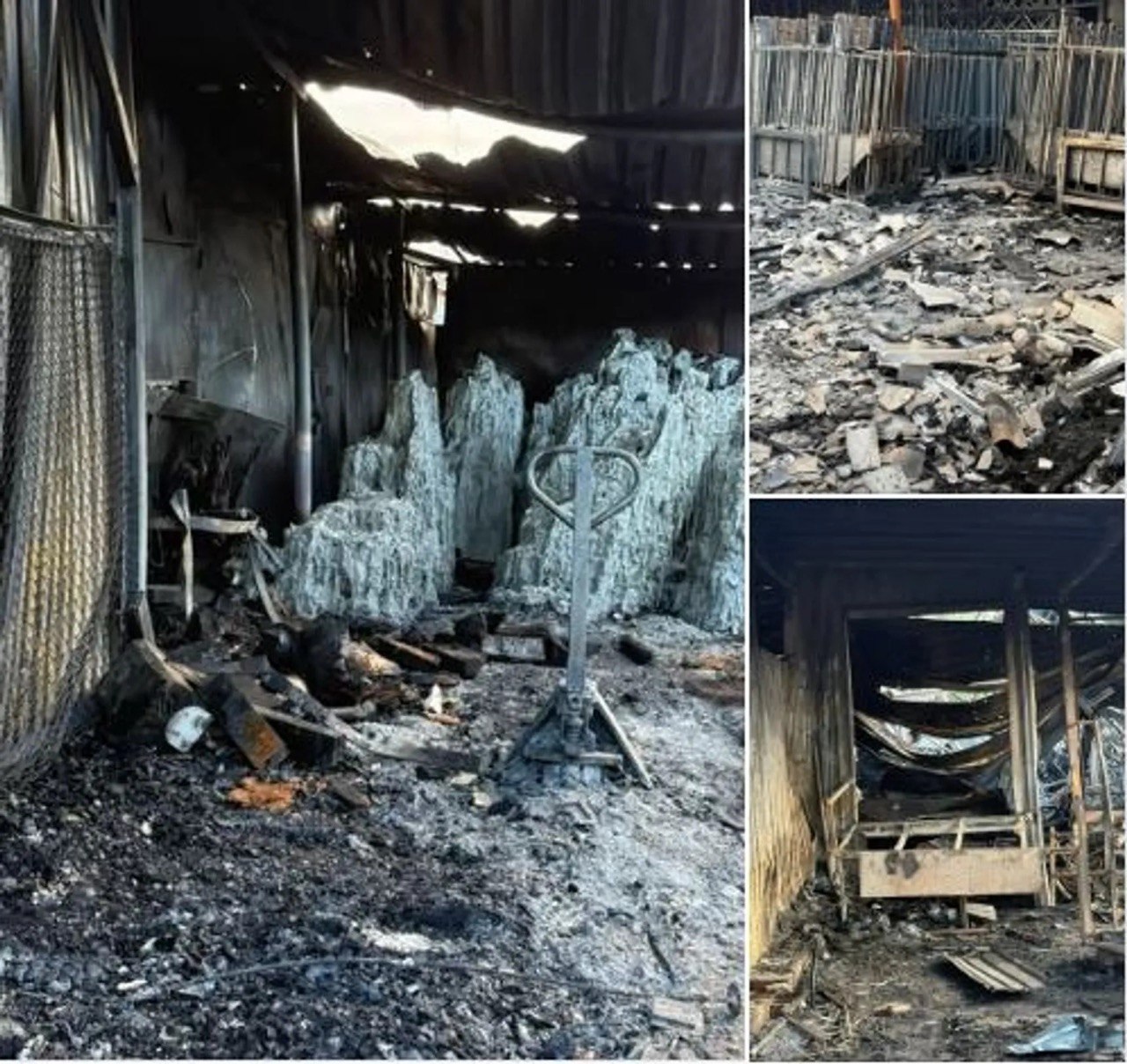
On May 20, 2026, a Russian strike destroyed a warehouse in Dnipro leased by the Office of the United Nations High Commissioner for Refugees. UNHCR reported that the attack killed two warehouse workers and destroyed approximately 900 pallets of humanitarian aid and housing repair materials worth over $1 million. These included blankets, sleeping mats, hygiene kits, and emergency repair materials for damaged houses. The aid was to be distributed to internally displaced people and residents of frontline regions. UNHCR called this strike the first such attack on an agency facility since the start of the full-scale invasion. The organization also reported increased risks for humanitarian workers: several days earlier, two clearly marked UN humanitarian convoys were attacked by drones in the Dnipropetrovsk and Kherson regions.
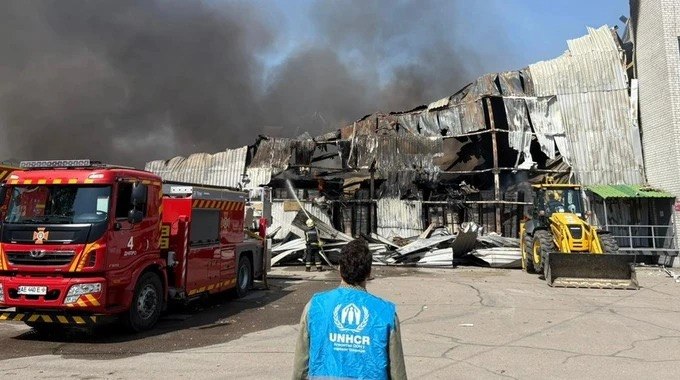
On May 25, 2026, UN humanitarian infrastructure in Dnipro was damaged again. The World Food Programme reported that its warehouse, used for humanitarian operations, was hit by an Iskander ballistic missile. At the time of the attack, it was storing food aid for people living near the front line. WFP estimated that the aid would be sufficient to support 130,000 people, valued at approximately $1.4 million. No WFP workers were injured.
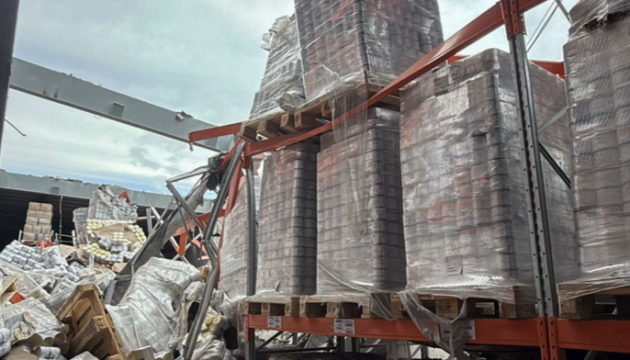
Furthermore, KHPG has previously reported on attacks on humanitarian aid facilities and evacuation convoys. A T4P study documented 42 such incidents during the first months of the full-scale invasion, including attacks on aid distribution points, evacuation buses, and humanitarian convoys.
T4P Data
From February 24, 2022, to July 7, 2026, T4P documenters recorded multiple violations of international humanitarian law, including attacks on humanitarian aid facilities and evacuation convoys, obstruction of humanitarian cargo deliveries, and the creation of obstacles to the exit of civilians from areas endangering life and health. According to T4P data, all these actions were likely committed by the Russian military.
The documented incidents exhibit signs of the following war crimes:
- attacks against a humanitarian aid depot, humanitarian convoy, humanitarian mission, or humanitarian corridor during an armed conflict—Article 8(2)(b)(iii) of the Rome Statute. T4P has documented 101 such cases;
- impeding humanitarian missions from delivering water and food, as well as the destruction of food and drinking water supplies—Article 8(2)(b)(xxv) of the Rome Statute. T4P has documented 44 such cases.
International dimension
International humanitarian law provides for the protection of personnel involved in humanitarian operations. Additional Protocol I to the Geneva Conventions stipulates that such personnel must be respected and protected. The Rome Statute of the International Criminal Court also classifies intentional attacks against personnel, installations, material, units, or vehicles involved in humanitarian assistance as war crimes, provided they are entitled to protection as civilian objects.
In each specific case, an investigation must determine whether the object was the target of an attack or was damaged as a result of a strike on another target; what weapons were used; whether military objects were located nearby; and whether the attacking party took measures to minimize harm to civilians. However, the very fact that a humanitarian aid depot was destroyed must be documented separately: this is not merely a case of damaged property, but the loss of aid intended for people suffering the consequences of the war.
The same applies to volunteer organizations. Their offices, warehouses, vehicles, and equipment are frequently used for evacuations and for the delivery of medicines, tactical medical supplies, food, and construction materials...
