Waves of Terror
2025 has become an absolute record year for the number of drones and missiles that the Russians have launched to attack the rear cities of Ukraine. In particular, as of 11 months into 2025, the occupiers have launched four times as many “Shahed” drones as last year. In addition to increasing the attacks, the enemy is also using new tactics. If in 2023-24 air raid alerts could last 2-3 hours, and the peak of the attacks themselves no more than an hour, now, the alerts last 10-12 hours, and in frontline cities, significantly longer. The enemy launches drones and missiles in several “waves” throughout the evening, night, and early morning, effectively maintaining a continuous attack on some cities for an extended period of time.
The peak in the use of “waves” occurred in the summer of 2025, when the enemy launched more than 700 attack UAVs in a single strike, targeting the capital in particular. In previous years, a similar number of drones could be used over a month, while in the summer of 2024, there were about a dozen attacks, with a total number of weapons exceeding 500. The latest attacks in October and November 2025 confirm that the enemy continues to mount mass, prolonged attacks.
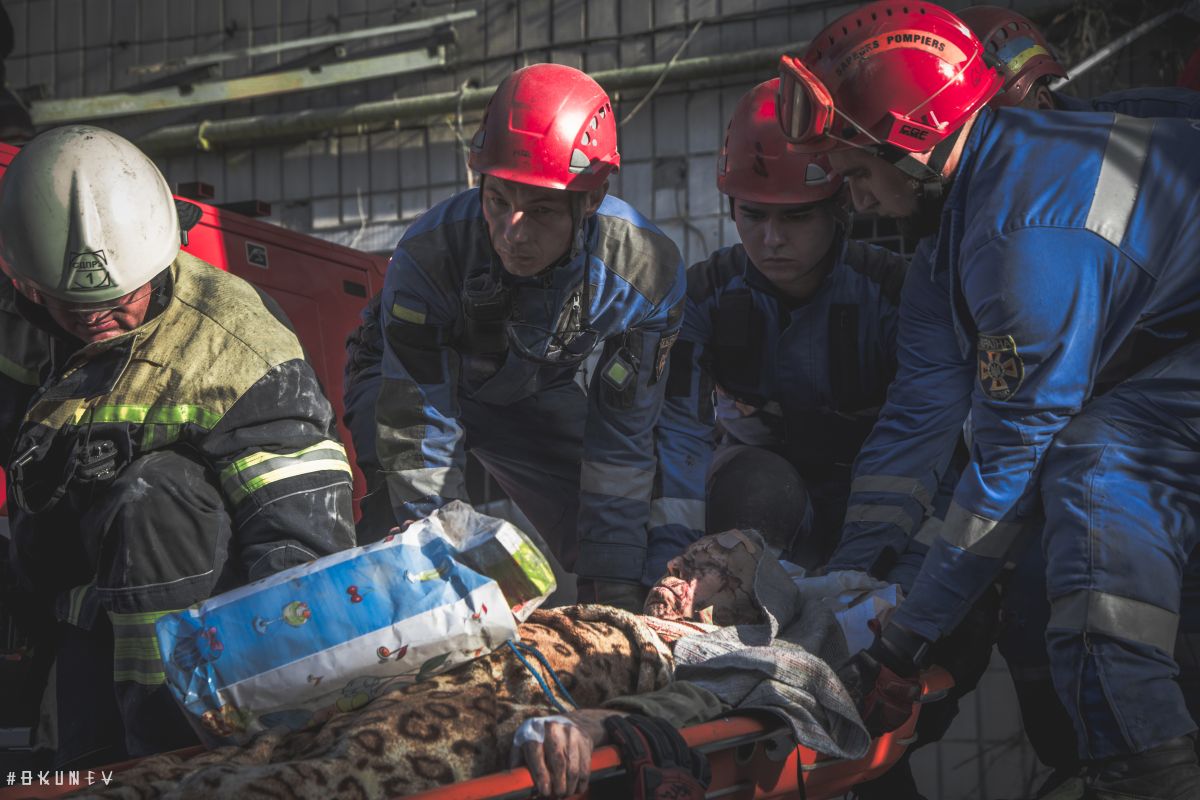
Such tactics affect not only the effectiveness of air defense systems but also the safety of civilians. In addition to the fact that residents of Kyiv and other cities have to spend 8-10, and sometimes 12 hours in shelters, in the event of drones hitting civilian objects, the work of emergency services is extremely complicated.
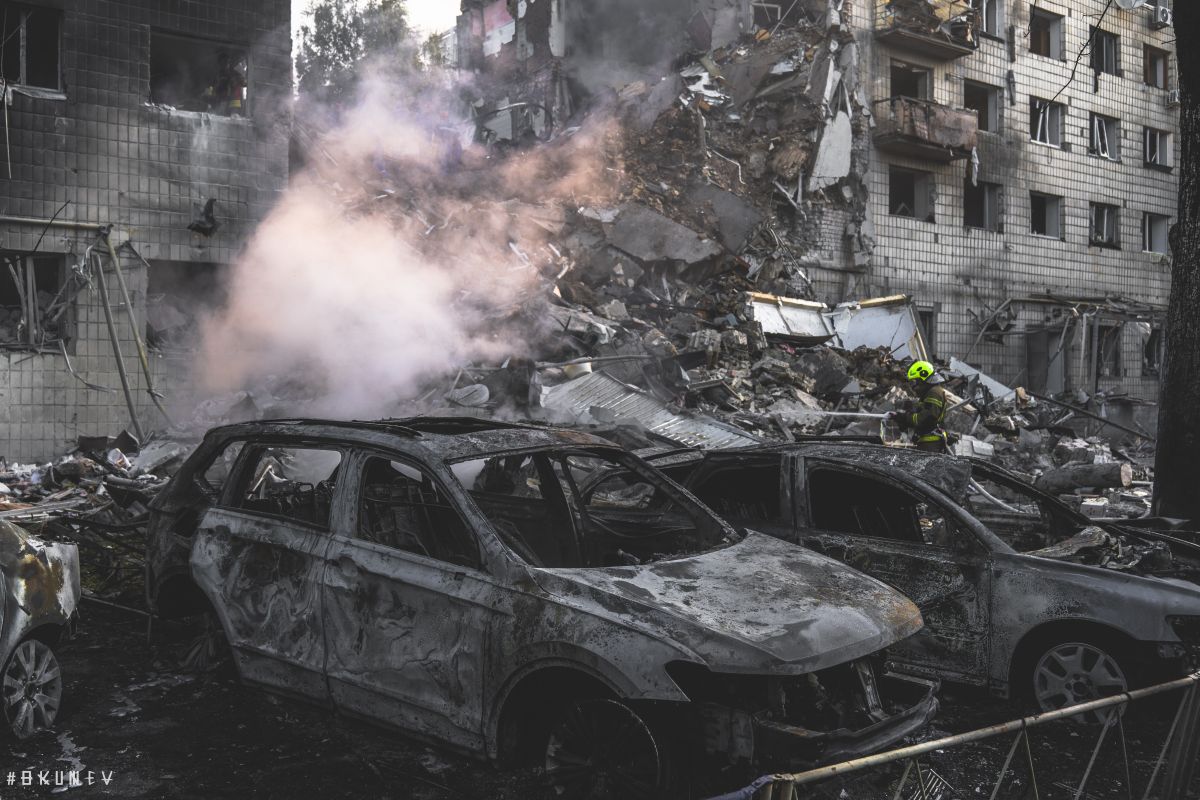
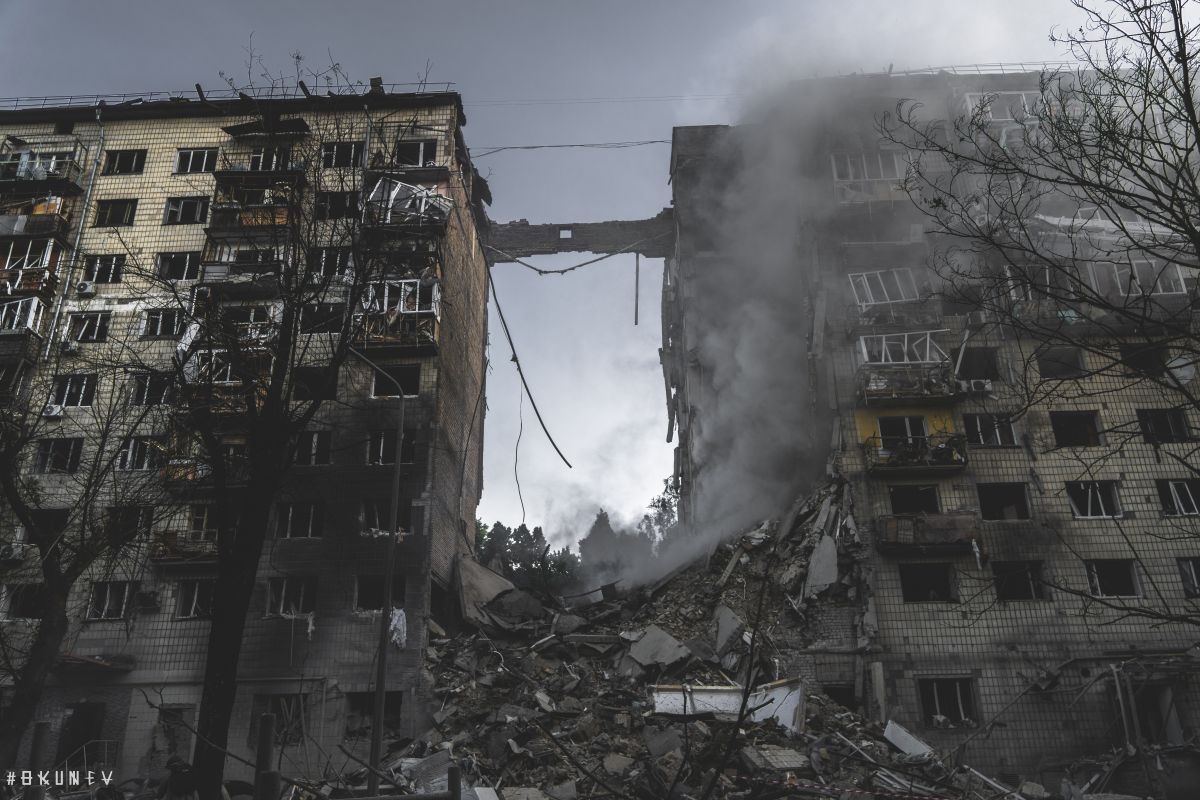
A striking example of this problem was the shelling on June 17, 2025, when an enemy missile hit a residential building in the Solomyansky district, destroying an entire section of the building, and a large number of civilians were trapped under the rubble. Emergency services, primarily the State Emergency Service, arrived at the scene within minutes of the strike, but the air attack continued. Enemy drones repeatedly attacked the same area, and the drones continued to fly for several hours.
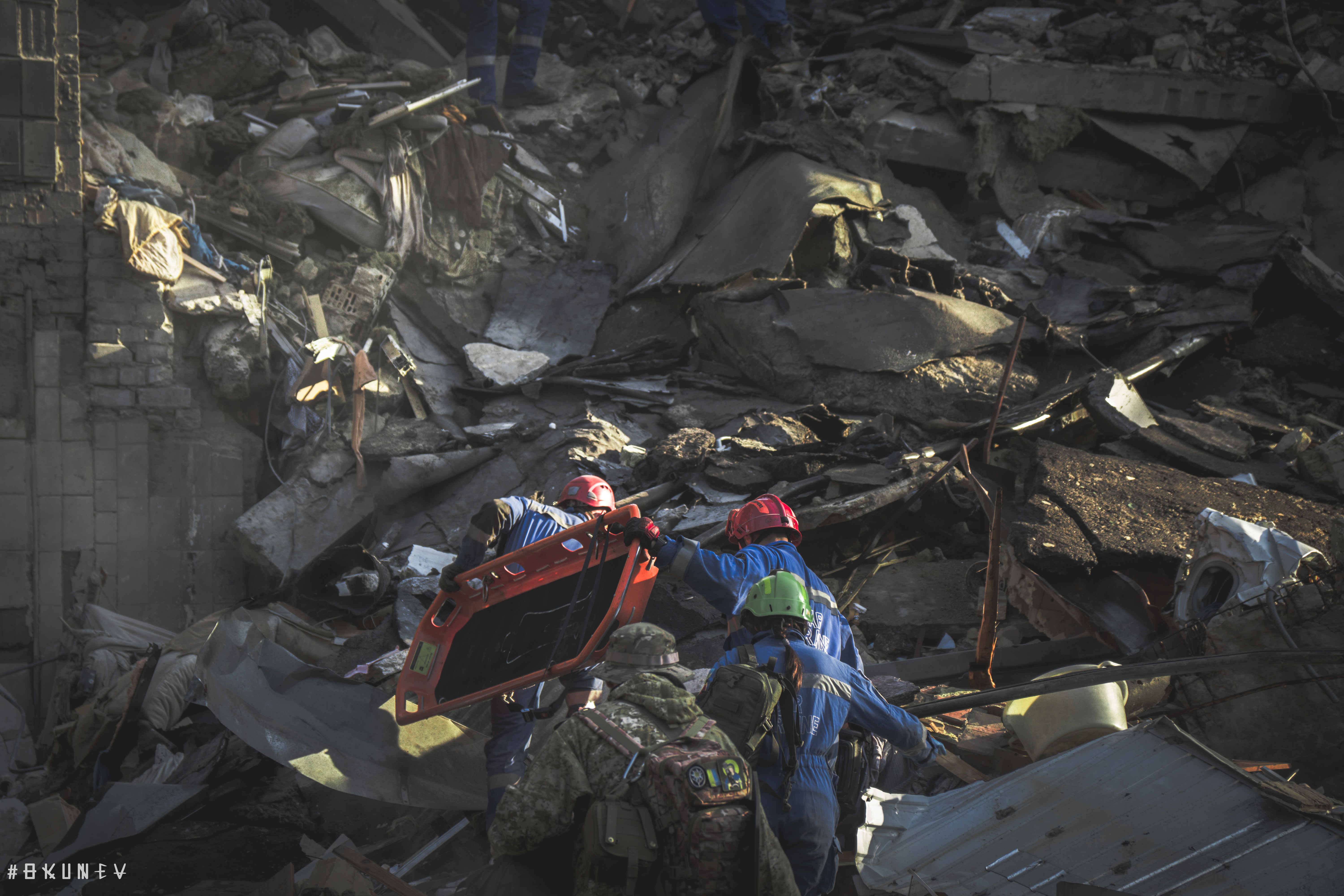
In the event of significant destruction or structural collapse, it is necessary to immediately deploy heavy equipment, cranes, trucks, and fire engines for rescue operations. All this has to be done during a continuous attack. After several instances where State Emergency Service employees themselves became victims of shelling, the service introduced a protocol according to which employees on the ground receive information from headquarters about the exact direction of incoming air targets. If they approach the location where rescuers are working, operations must be stopped, and personnel must immediately take cover.
On the night of June 17, this procedure of stopping and resuming work had to be repeated at least five times, with long pauses, while missiles and drones flew over the destroyed building. All this affects the chances of people under the rubble being rescued.
The situation is much worse in cities where the enemy can carry out targeted strikes. This refers to settlements located near the border with the Russian Federation or near the line of contact. In the summer of 2025, State Emergency Service employees tried for many hours to begin work at the site of a Russian air bomb strike in Konstantinovka. A section of a multi-story building was also destroyed, and people may have been trapped under the rubble. However, even then, the enemy could use FPV drones over the city, preventing rescuers from beginning to clear the debris. Every time the State Emergency Service approached the scene, the drones attempted to strike the rescuers. In some such cases, this can last for many hours. As of now, the Russians already have drones with night-vision cameras, as well as UAVs that can operate in any weather, including rain or dense fog.
Back in 2024, the occupiers switched to a tactic of repeated strikes on locations where State Emergency Service personnel were already working. The tactic involved the enemy waiting until ambulance doctors, rescuers, and police gathered at the site after a strike on a civilian object, and then launching a second strike on that location. This tactic is also being used in 2025. Just recently, on October 23, the occupiers launched a double strike on the Velykoburluk community in the Kharkiv region, where a rescuer was killed, and five of his colleagues were wounded in the second explosion.
Such attacks bear all the hallmarks of war crimes. Civil defense agencies and humanitarian organizations that provide assistance to the civilian population and do not participate in hostilities cannot be targets of attacks — this is enshrined in international humanitarian law. One of the key documents that defines and regulates this is the Additional Protocol I to the Geneva Conventions of 1977, which specifies which organizations constitute civil defense agencies.
Article 61: Civil protection means the performance of humanitarian tasks intended to protect the civilian population against the dangers arising from hostilities or natural disasters, and to assist in the immediate consequences thereof.
These tasks include 15 criteria, in particular: fire prevention and extinguishing, rescue operations, medical care, sanitation, evacuation, and other humanitarian actions.
Article 62: General Protection
- Civil defence organizations and their personnel shall be respected and protected in accordance with the provisions of this Protocol, especially this section. They shall have the right to perform the civil defence tasks assigned to them, except in cases of imperative military necessity.
- The provisions of paragraph 1 shall also apply to civilians who, although not members of civil defence organizations, perform civil defence tasks at the call of and under the control of the competent authorities.
- Article 52 of this Protocol applies to buildings and material means used for civil defence purposes, as well as to shelters provided for the civilian population. Objects used for civil defence purposes may not be destroyed or used for purposes other than their intended purpose, except by the party to which they belong.
The Rome Statute of the International Criminal Court, which defines which actions constitute war crimes, states that intentionally attacking civilian objects, i.e., objects that are not military objectives, is a war crime (see Article 8(2)(b)(iii)).
Furthermore, attacking civilian infrastructure or residential buildings is also a clear crime. 2025 has already become a record-breaking year for the number of civilian deaths in the capital, and the same trend is observed in other cities.
