Meeting between T4P Initiative participants and Nedim Jahić
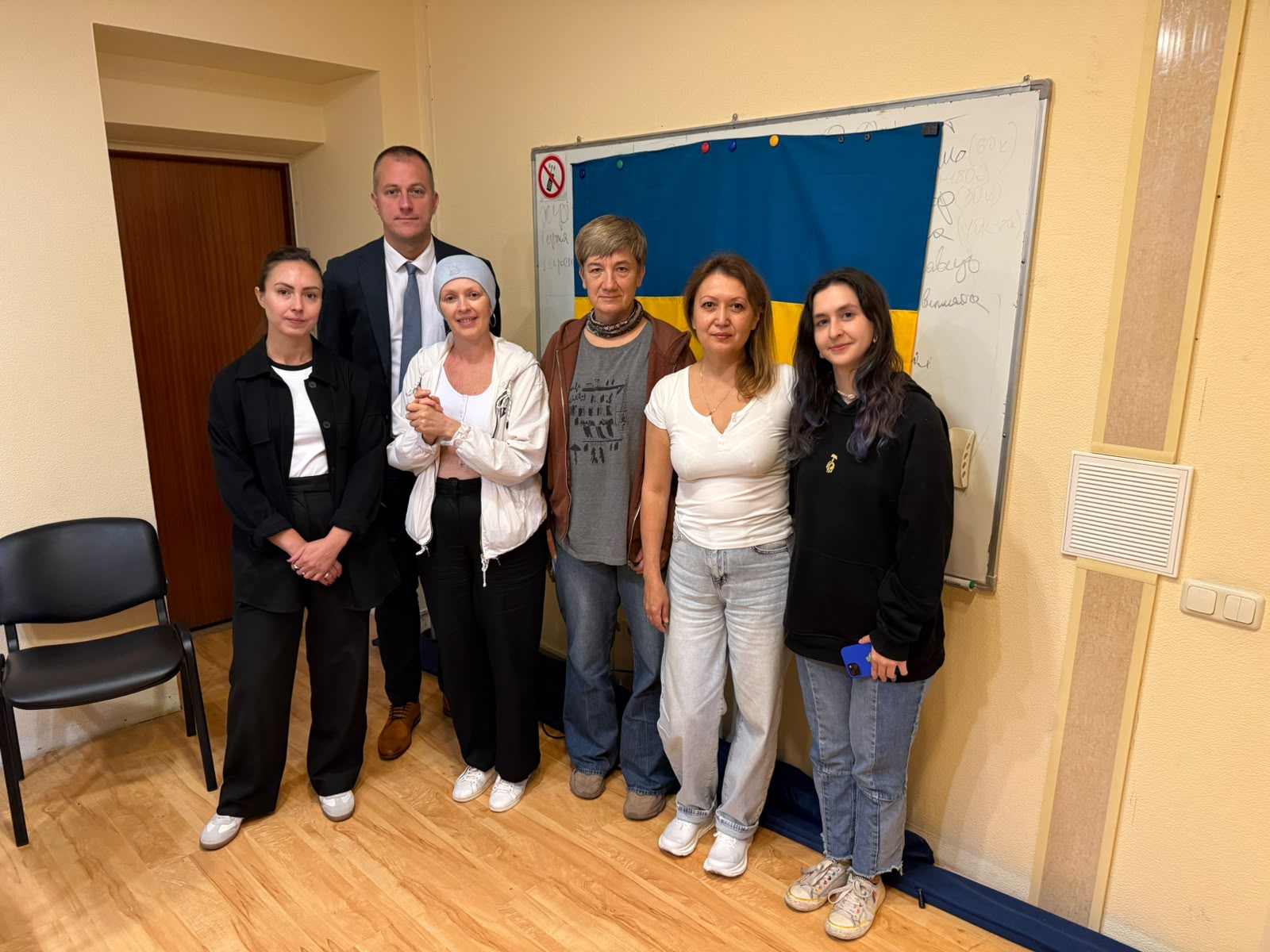
During the meeting, participants focused on how accumulated archives and various types of evidence can be used years after crimes have been committed, and on the role national and international justice mechanisms play in this process.
The link between documentation and accountability was a distinct topic of discussion. Representatives of the War Archive described Ukraine’s experience preserving vast amounts of digital information about the full-scale Russian invasion and raised the question of how to turn today’s data into materials suitable for future justice proceedings. Nedim shared examples from the Bosnian experience, illustrating how various sources—such as archival documents, financial and logistical data, satellite imagery, and other evidence—were used to establish the circumstances of crimes and the connections between perpetrators. A significant part of the discussion also focused on domestic trials in Bosnia and Herzegovina and their elements that might prove useful for Ukraine. Another key part of the discussion focused on missing persons, victim identification, and how state institutions interact with families. Participants discussed experiences regarding DNA identification, locating relatives, centralizing information, and the need to avoid overlapping functions among various government agencies. For Ukrainian organizations, this experience is particularly valuable in searching for missing persons and establishing an effective data management system.
Significant attention was paid to the post-documentation phase: how to preserve the stories of specific individuals, prevent crimes from becoming mere statistics, and sustain public interest over the years. Nedim shared the Srebrenica Memorial’s experience in memorialization, education, youth engagement, and communications. Participants also discussed international audience fatigue around protracted conflicts and the need to speak about victims through unique human stories—narratives that help audiences grasp the scale of the crimes without reducing them to numbers.
At the conclusion of the meeting, the parties agreed to continue their professional exchange. Nedim Jahić offered T4P participants access to the experience and expertise of colleagues in Bosnia and Herzegovina, particularly regarding legal proceedings, missing persons cases, archiving, memorialization, and communications. In turn, representatives of Ukrainian organizations identified specific areas where the Bosnian experience could benefit further research and the development of Ukrainian documentation and justice practices.
